Follow Me On Social Media!

Best way to make 7 Zero waste cooking hacks

Have you ever closed your eyes in an Indian restaurant, utterly transported by the creamy, smoky, and deeply spiced aroma of Chicken Tikka Masala? That first bite, where tender, charred chicken meets a luxuriously rich tomato and cream gravy, is pure magic. But what if you could recreate that restaurant-quality experience at home, with ingredients you control and love you can taste? This homemade version isn’t just a recipe; it’s a culinary journey that rewards you with a flavor far superior to any takeout container. Embracing zero waste cooking hacks and mindful food waste reduction tips can make this process even more satisfying, turning every peel and scrap into something wonderful.
Table of Contents
Ingredients & Kitchen Tools
For the Chicken Marinade:
- 1.5 lbs (680g) boneless, skinless chicken thighs, cut into 1.5-inch cubes
- 1 cup plain, full-fat yogurt (Greek yogurt works for a thicker marinade)
- 2 tbsp lemon juice
- 4 cloves garlic, minced
- 1 tbsp fresh ginger, grated
- 2 tsp garam masala
- 1 tsp ground cumin
- 1 tsp smoked paprika (for that signature color and hint of smoke)
- 1 tsp turmeric
- 1 tsp Kashmiri red chili powder (or ½ tsp cayenne for less heat)
- 1 tsp salt
For the Masala Gravy:
- 3 tbsp ghee or unsalted butter
- 1 large yellow onion, finely diced
- 4 cloves garlic, minced
- 1 tbsp fresh ginger, grated
- 1 tbsp garam masala
- 2 tsp ground coriander
- 1 tsp ground cumin
- ½ tsp turmeric
- 1 (28 oz) can of high-quality crushed tomatoes
- 1 tbsp tomato paste
- 1 tsp sugar (balances acidity)
- 1 cup heavy cream or full-fat coconut milk for a dairy-free option
- ½ cup water or chicken broth
- Salt to taste
- Fresh cilantro, chopped (for garnish)
Kitchen Tools: Large mixing bowl, skewers (if broiling), large heavy-bottomed pot or Dutch oven, blender or immersion blender, measuring spoons/cups.
Prep Time & Cooking Schedule

Prep Time: 30 minutes (plus 2-24 hours marinating)
Cook Time: 40 minutes
Total Time: 1 hour 10 minutes (active time)
Yields: 4-6 servings
Time Management: While the chicken marinates (ideally overnight), you can prep all your gravy ingredients. The actual cooking flows beautifully: cook the gravy base, then broil or pan-sear the chicken separately before combining them for the final simmer.
Step-by-Step Cooking Instructions
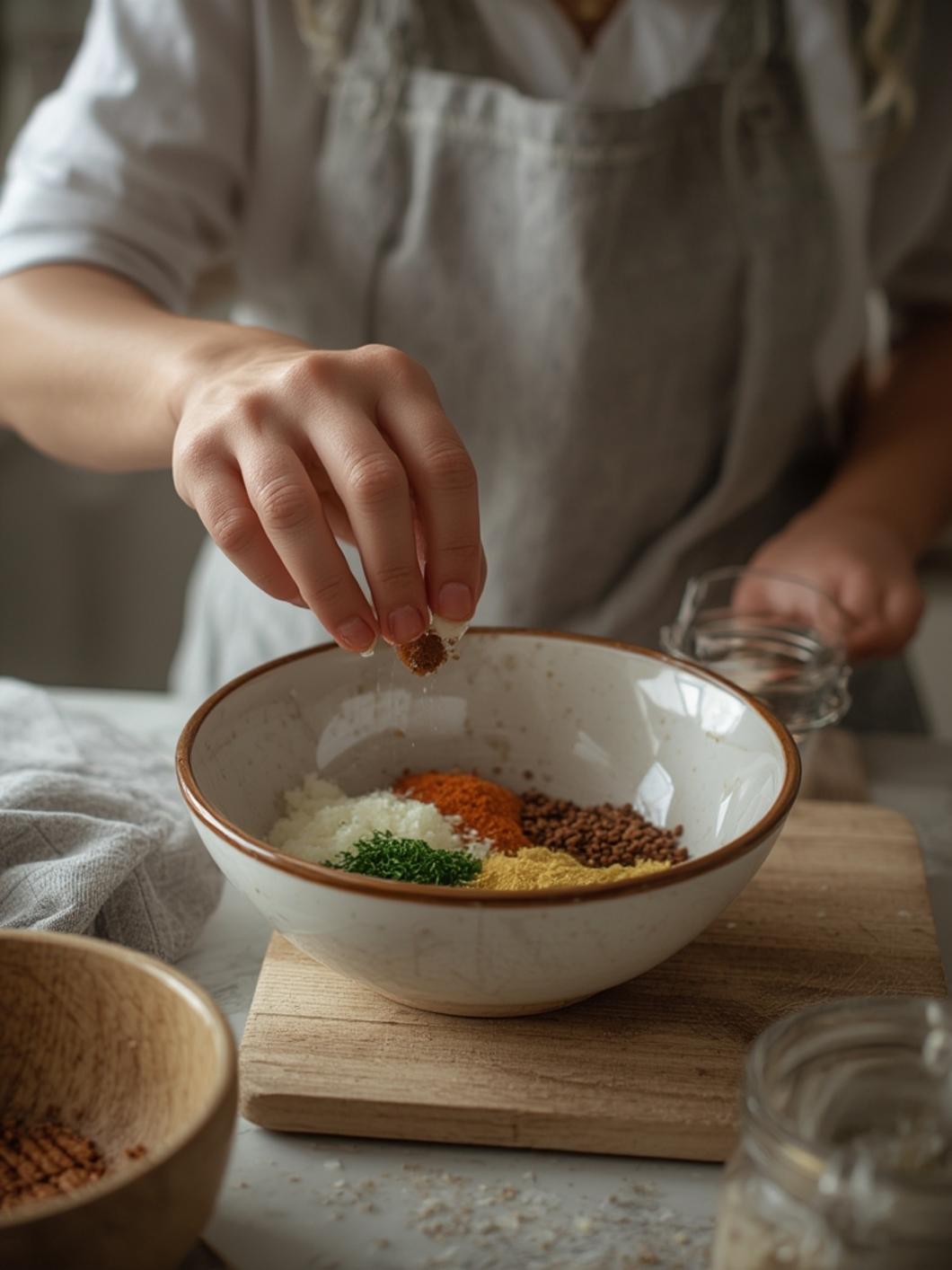
1. Marinate the Chicken: In a large bowl, combine all marinade ingredients. Add chicken pieces and coat thoroughly. Cover and refrigerate for at least 2 hours, but overnight is ideal for maximum flavor and tenderness.
2. Cook the Chicken: Preheat your broiler to high. Thread marinated chicken onto skewers and place on a baking sheet lined with foil. Broil for 10-15 minutes, turning once, until slightly charred at the edges and cooked through. Alternatively, you can pan-sear in a hot skillet with a bit of oil. This step is a perfect place to apply food waste reduction tips by using the leftover marinade in the gravy or discarding it safely.
3. Build the Gravy Base: In your heavy-bottomed pot, melt ghee over medium heat. Add onions and cook, stirring frequently, until deep golden brown and caramelized (about 15 minutes). This patience is the secret to a rich, sweet base.
4. Bloom the Spices: Add garlic, ginger, garam masala, coriander, cumin, and turmeric. Stir constantly for 60 seconds until incredibly fragrant.
5. Create the Sauce: Stir in crushed tomatoes, tomato paste, and sugar. Simmer for 10-15 minutes, allowing the flavors to meld and the sauce to thicken slightly. For an ultra-smooth gravy, carefully blend with an immersion blender or transfer to a countertop blender.
6. Combine and Finish: Return the smooth sauce to the pot. Stir in the cream and water. Add the cooked chicken pieces and any accumulated juices. Simmer gently for 10 more minutes. Taste and adjust salt. Garnish with fresh cilantro. Implementing zero waste cooking hacks, like using herb stems in your stock, complements this whole-home cooking philosophy.
Nutritional Benefits & Health Info
This dish is a fantastic source of high-quality protein from the chicken thighs and yogurt. The spices are the real stars: turmeric (curcumin) and ginger have potent anti-inflammatory properties, while garlic supports immune health. Using full-fat ingredients provides satiety and helps absorb fat-soluble vitamins from the spices. For a lighter version, substitute the heavy cream with half-and-half or a cashew cream.
Variations, Substitutions & Chef’s Tips
- Protein Swap: Use paneer, chickpeas, or firm tofu for a vegetarian version.
- Make it Dairy-Free: Use coconut milk instead of cream and a dairy-free yogurt for the marinade.
- Heat Level: Control the spice by adjusting the chili powder. Serve with extra chili flakes on the side.
Chef’s Tip: For an authentic smoky flavor (dhungar*), place a hot piece of charcoal in a small metal bowl set inside the pot with the finished curry. Drizzle a tsp of ghee over the coal, immediately cover the pot, and let it smoke for 5 minutes.
- Air Fryer Option: Cook the marinated chicken in the air fryer at 400°F for 10-12 minutes, shaking halfway.
Common Cooking Mistakes to Avoid
1. Skipping the Marinating Time: This is non-negotiable for tender, flavorful chicken. Don’t rush it.
2. Burning the Spices: When you add the dry spices to the pot, keep the heat at medium and stir constantly for just about a minute. Burnt spices taste bitter.
3. Undercooking the Onions: Pale onions won’t develop the necessary sweetness and depth. Cook them low and slow until they are a rich, golden-brown color.
4. Adding Cold Cream to Hot Sauce: To prevent curdling, let the cream come to room temperature or temper it by whisking a few spoonfuls of the hot sauce into the cream first, then adding it all back to the pot.
5. Overcooking the Chicken in the Gravy: Since the chicken is already cooked, the final simmer is just to warm it through and let it absorb the sauce. Prolonged boiling can make it tough.
Serving & Storage Suggestions
Serve steaming hot over a bed of basmati rice or with warm, buttery naan bread. A side of cooling cucumber raita balances the spices perfectly.
Storage: Cool completely and store in an airtight container in the refrigerator for up to 3 days. The flavors often deepen on the second day! It also freezes beautifully for up to 3 months. Thaw overnight in the fridge.
Reheating: Gently reheat on the stovetop over low heat, adding a splash of water or cream if the sauce has thickened too much. Microwave reheating can cause the cream to separate.
Conclusion
Mastering this Chicken Tikka Masala recipe is a rite of passage for any home cook. It demystifies complex flavors and rewards you with a comforting, impressive dish that’s made with intention and care. The journey from marinating to that first fragrant simmer is as fulfilling as the meal itself. We hope this guide empowers you to create restaurant-worthy meals while embracing creative zero waste cooking hacks and effective food waste reduction tips in your kitchen. Don’t forget to share your culinary masterpiece! Tag us on social media or leave a comment below telling us how it turned out.
FAQs
Can I use chicken breasts instead of thighs?
Yes, but be extra careful not to overcook them, as breasts dry out faster. Reduce the broiling time by a few minutes and check for doneness earlier (internal temp of 165°F).
My sauce is too thin. How can I thicken it?
Let it simmer uncovered for an additional 5-10 minutes to reduce. Alternatively, create a slurry with 1 tsp of cornstarch and 1 tbsp of cold water, then stir it into the simmering sauce.
Can I make this ahead of time?
Absolutely. In fact, it often tastes better the next day. Complete the recipe, cool, and refrigerate. Reheat gently before serving.
What can I do with leftover garam masala and other spices?
Store them in a cool, dark place to maintain potency. Use them in scrambled eggs, roasted vegetables, soups, or to season ground meat for burgers or meatballs.