Follow Me On Social Media!

How to make 5 Heirloom recipes 2026

Have you ever closed your eyes while eating a restaurant curry, trying to decipher the symphony of spices, only to be left wondering how to recreate that magic at home? The truth is, a truly transcendent Chicken Tikka Masala isn’t just a meal; it’s an experience of tender, smoky chicken enveloped in a luxuriously creamy, spiced tomato gravy. While takeout is convenient, mastering this dish in your own kitchen allows you to control the quality of ingredients, adjust the heat to your liking, and achieve a depth of flavor that often surpasses the standard restaurant version. This recipe is more than just a dinner; it’s a form of Heirloom recipe revival, bringing timeless techniques and authentic flavors into the modern home kitchen. Let’s embark on this culinary adventure together.
Table of Contents
Ingredients & Kitchen Tools
For the Chicken Marinade:
- 1.5 lbs (680g) boneless, skinless chicken thighs, cut into 1.5-inch cubes
- 1 cup plain, full-fat Greek yogurt
- 2 tbsp lemon juice
- 4 cloves garlic, minced
- 1 tbsp fresh ginger, grated
- 2 tsp garam masala
- 1 tsp ground cumin
- 1 tsp Kashmiri red chili powder (or ½ tsp paprika + ½ tsp cayenne)
- 1 tsp turmeric
- 1 tsp salt
For the Masala Sauce:
- 3 tbsp ghee or unsalted butter
- 1 large yellow onion, finely diced
- 1 tbsp fresh ginger, grated
- 4 cloves garlic, minced
- 1 tbsp garam masala
- 2 tsp ground coriander
- 1 tsp turmeric
- 1 tsp Kashmiri red chili powder (adjust for heat)
- 1 (28 oz) can of high-quality crushed tomatoes
- 1 tsp sugar
- 1 cup heavy cream or full-fat coconut milk (for dairy-free)
- ½ cup water or chicken broth
- 1 cup fresh cilantro, chopped (for garnish)
- Salt to taste
Kitchen Tools: Large mixing bowl, whisk, large heavy-bottomed pot or Dutch oven, wooden spoon, measuring spoons and cups, blender or immersion blender (optional), skewers or baking sheet for broiling.
Quality Note: Using whole spices, freshly grated ginger and garlic, and full-fat dairy is non-negotiable for the richest, most authentic flavor. Chicken thighs are preferred for their juiciness.
Prep Time & Cooking Schedule
Prep Time: 30 minutes (plus 2-24 hours marinating)
Cook Time: 45 minutes
Total Time: 1 hour 15 minutes (plus marinating)
Yields: 4-6 servings
Time Flow: The key to this recipe is planning. Marinate the chicken first—ideally overnight, but at least for 2 hours. While the chicken marinates, you can prep all your sauce ingredients (dice onions, grate ginger, measure spices). Once you start cooking, the sauce simmers for about 20 minutes, which is the perfect amount of time to cook the marinated chicken under the broiler.
Step-by-Step Cooking Instructions
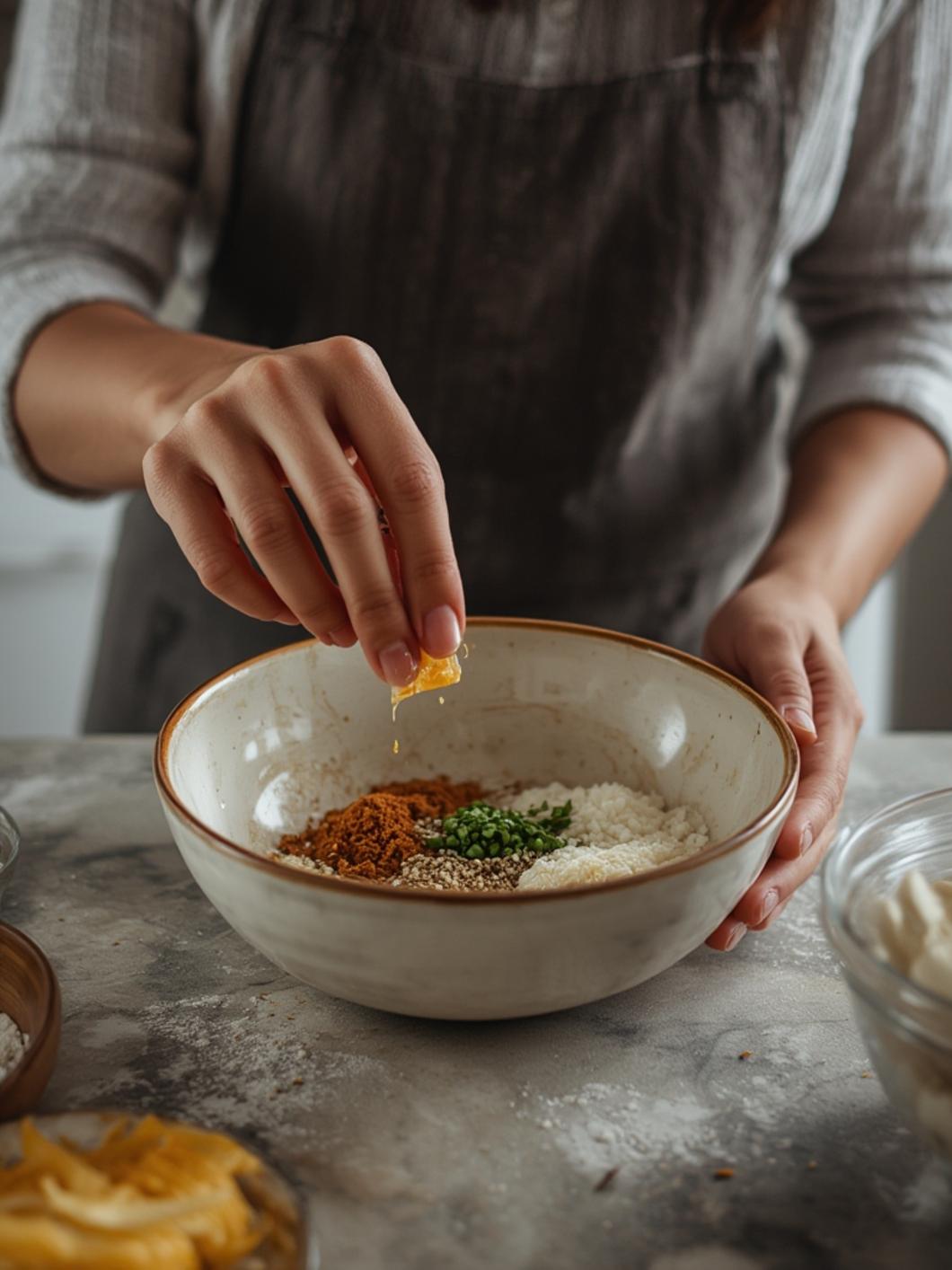
1. Marinate the Chicken: In a large bowl, combine all marinade ingredients. Add the chicken cubes and mix thoroughly, ensuring each piece is coated. Cover and refrigerate for a minimum of 2 hours, or up to 24 hours for maximum flavor penetration.
2. Cook the Chicken: Preheat your broiler to high. Thread the marinated chicken onto skewers or place on a wire rack set over a baking sheet. Broil for 10-15 minutes, turning once, until slightly charred at the edges and cooked through. This smoky char is essential for authentic Heirloom recipes 2026 flavor. Set aside.
3. Build the Sauce Base: In your heavy-bottomed pot, melt the ghee or butter over medium heat. Add the diced onion and cook, stirring frequently, for 8-10 minutes until deeply golden and caramelized. This step builds the foundational sweetness.
4. Bloom the Spices: Add the ginger and garlic, cooking for 1 minute until fragrant. Then add the garam masala, coriander, turmeric, and chili powder. Stir constantly for 30 seconds until the spices are toasted and aromatic—this “blooms” their oils and intensifies the flavor.
5. Simmer to Perfection: Pour in the crushed tomatoes, sugar, and a pinch of salt. Bring to a simmer, then reduce heat to low. Let the sauce cook gently for 20 minutes, stirring occasionally, until it thickens and deepens in color. For an ultra-smooth sauce, you can blend it with an immersion blender at this stage.
6. Finish the Curry: Stir in the heavy cream (or coconut milk) and water. Add the broiled chicken pieces and any accumulated juices. Simmer gently for another 5-10 minutes until the chicken is heated through and the sauce is creamy and cohesive. This final simmer is where the magic happens, creating a dish worthy of any Heirloom recipe revival.
7. Garnish and Serve: Turn off the heat. Stir in half of the fresh cilantro. Taste and adjust salt if needed. Garnish with the remaining cilantro before serving.
Nutritional Benefits & Health Info
This homemade version is a nutritional upgrade from its restaurant counterpart. Chicken thighs provide high-quality protein, iron, and zinc. The spices—turmeric, ginger, and garlic—are packed with anti-inflammatory and antioxidant compounds. Using Greek yogurt in the marinade adds probiotics. By controlling the cream and salt, you create a balanced meal rich in flavor and nutrients. For a lighter version, substitute the heavy cream with half-and-half or additional yogurt.
Variations, Substitutions & Chef’s Tips
- Protein Swap: Use paneer, chickpeas, or firm tofu for a vegetarian version. For shrimp, add them raw directly to the finished sauce and simmer until pink.
- Dairy-Free: Use coconut milk instead of cream and a dairy-free yogurt for the marinade.
- Make it Spicier: Add a finely chopped serrano or jalapeño pepper with the onions, or increase the Kashmiri chili powder.
- Chef’s Tip: If you don’t have a broiler, you can pan-sear the marinated chicken in a hot skillet with a little oil until charred and cooked through. The key is getting that caramelization.
Common Cooking Mistakes to Avoid

- Skipping the Marination Time: This is the most critical step for tender, flavorful chicken. Don’t rush it.
- Not Caramelizing the Onions: Cooking the onions until they are a rich, golden brown is what gives the sauce its deep, sweet, and complex base. Don’t sauté them for just a few minutes.
- Adding Raw Spices to Liquid: Always toast your ground spices in the fat for 30 seconds before adding liquids. This unlocks their full aromatic potential.
- Overcooking the Sauce After Adding Cream: Once the cream is in, keep the heat low and avoid a rolling boil to prevent curdling.
Serving & Storage Suggestions
Serve this Chicken Tikka Masala steaming hot over a bed of basmati rice or with warm, buttery naan or roti. A side of cooling cucumber raita is the perfect accompaniment.
Storage: Cool completely and store in an airtight container in the refrigerator for up to 3 days. The flavors often meld and improve the next day. You can also freeze it for up to 2 months. Thaw overnight in the fridge.
Reheating: Gently reheat in a saucepan over low heat, stirring occasionally. Add a small splash of water or cream if the sauce has thickened too much.
Conclusion
Creating this iconic dish from scratch is a rewarding ritual that fills your home with incredible aromas and your table with a meal made with love. It connects us to a rich culinary tradition, proving that the best Heirloom recipes 2026 are those we make, share, and adapt with our own hands. We hope this guide empowers you to master this classic and add your own chapter to its ongoing Heirloom recipe revival. Did you try it? Share your experience, photos, or your own twist in the comments below—we love hearing your kitchen stories!
FAQs
Q: Can I use chicken breasts instead of thighs?
A: Yes, but be very careful not to overcook them, as they can dry out quickly. Reduce the broiling time by a few minutes and check for doneness at 8-10 minutes.
Q: My sauce is too acidic. What can I do?
A: A pinch of sugar is already in the recipe to balance acidity. If it’s still too sharp, try adding another ½ teaspoon of sugar or a small drizzle of honey. Also, ensure you are using good-quality crushed tomatoes.
Q: Can I make this ahead of time?
A: Absolutely! In fact, the flavors deepen when made a day ahead. Complete the recipe, cool, and refrigerate. Gently reheat before serving.
Q: Is garam masala the same as curry powder?
A: No. Garam masala is a warm, aromatic blend typically added at the end of cooking, while curry powder is a broader blend often used as a base. They are not direct substitutes. Garam masala is essential for this recipe’s authentic flavor.
Q: My sauce seems too thin. How can I thicken it?
A: Let it simmer uncovered for an additional 5-10 minutes to reduce. You can also create a quick slurry with 1 teaspoon of cornstarch mixed with 1 tablespoon of cold water and stir it into the simmering sauce until thickened.