Follow Me On Social Media!

Proven way to make 3 gingerbread cookie recipe

Is there any scent more evocative of the holiday season than the warm, spicy aroma of gingerbread cookies baking in the oven? That intoxicating blend of molasses, ginger, cinnamon, and cloves isn’t just a fragrance—it’s a memory, a tradition, and a promise of deliciousness to come. While store-bought versions are convenient, nothing compares to the soul-satisfying process of creating your own batch of homemade gingerbread cookie recipe from scratch. This guide will walk you through every step, ensuring your kitchen becomes the heart of your holiday home, filled with the spirit and flavor of classic christmas gingerbread cookies.


Table of Contents
Ingredients & Kitchen Tools
For cookies that are crisp on the edges yet tender in the center, with a deep, complex spice profile, quality ingredients are key.
For the Gingerbread Dough:
- 3 cups (375g) all-purpose flour, plus more for dusting
- ¾ cup (170g) unsalted butter, softened to room temperature
- ¾ cup (160g) packed dark brown sugar
- ⅔ cup (200g) unsulphured molasses (not blackstrap)
- 1 large egg, at room temperature
- 2 teaspoons ground ginger
- 1 teaspoon ground cinnamon
- ¼ teaspoon ground cloves
- ¼ teaspoon ground nutmeg
- ½ teaspoon salt
- 1 teaspoon baking soda
For the Royal Icing (Optional):
- 2 cups (240g) confectioners’ sugar, sifted
- 1 ½ tablespoons meringue powder
- 3-4 tablespoons warm water
- Gel food coloring (red, green, white)
Essential Kitchen Tools:
- Stand mixer or hand mixer
- Large and medium mixing bowls
- Rolling pin
- Gingerbread person and holiday-themed cookie cutters
- Parchment paper
- Baking sheets
- Wire cooling racks
- Piping bags or small zip-top bags for icing (optional)
Prep Time & Cooking Schedule
Prep Time: 30 minutes (plus 2-3 hours chilling)
Cook Time: 10-12 minutes per batch
Total Time: 3 hours 30 minutes (mostly inactive)
Yields: 24-30 cookies, depending on cutter size
Time Management Tip: The dough requires a long chill to firm up and allow the flavors to meld beautifully. Use this time to clean your kitchen, prepare your icing colors, or simply enjoy a cup of cocoa. While one batch bakes, you can roll and cut the next.
Step-by-Step Cooking Instructions
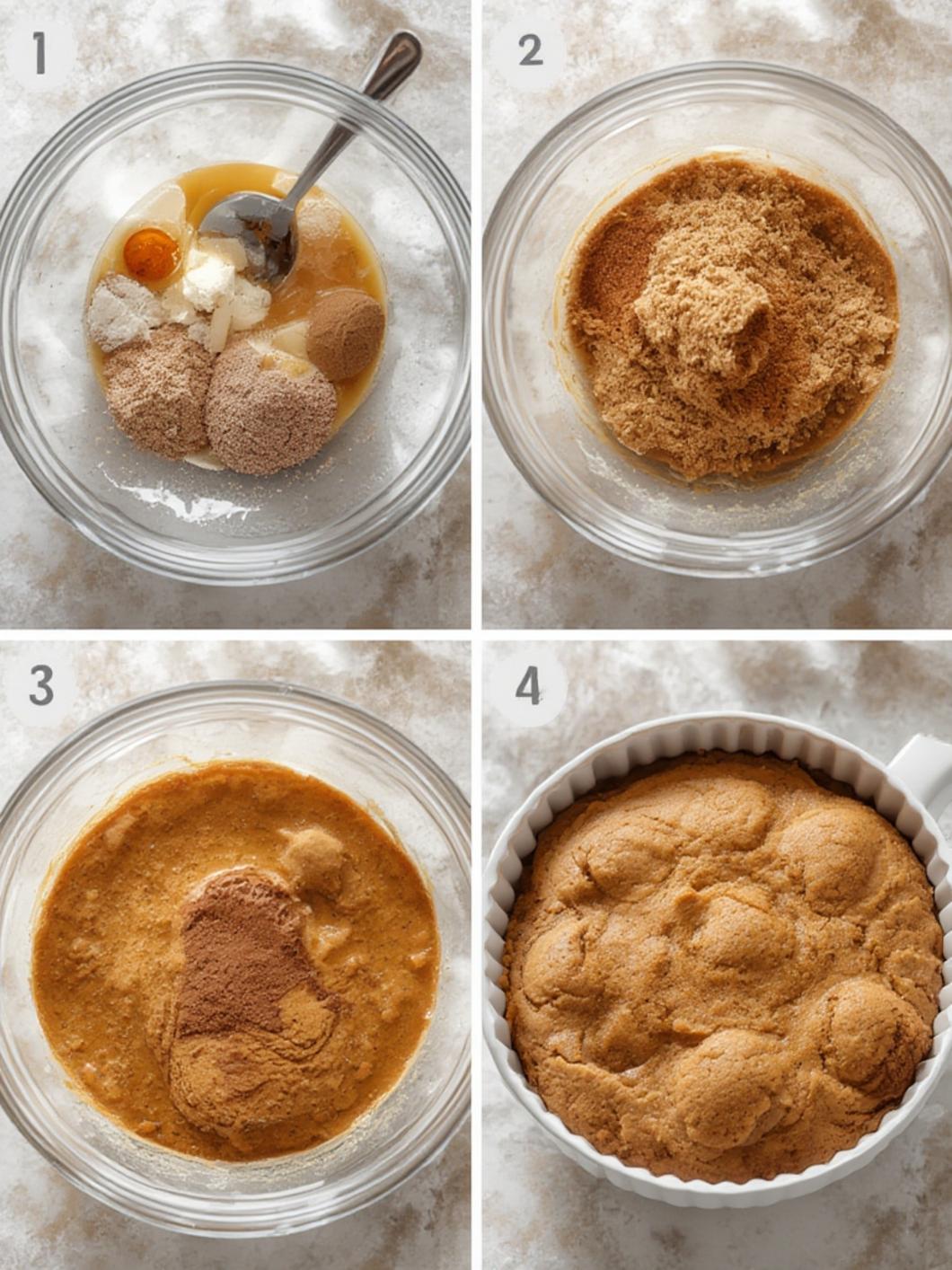
1. Cream Butter & Sugar: In the bowl of a stand mixer fitted with the paddle attachment, beat the softened butter and dark brown sugar on medium speed for 2-3 minutes until light, fluffy, and pale in color.
2. Incorporate Wet Ingredients: Add the molasses and egg, mixing on low until fully combined. The mixture may look slightly curdled—this is normal.
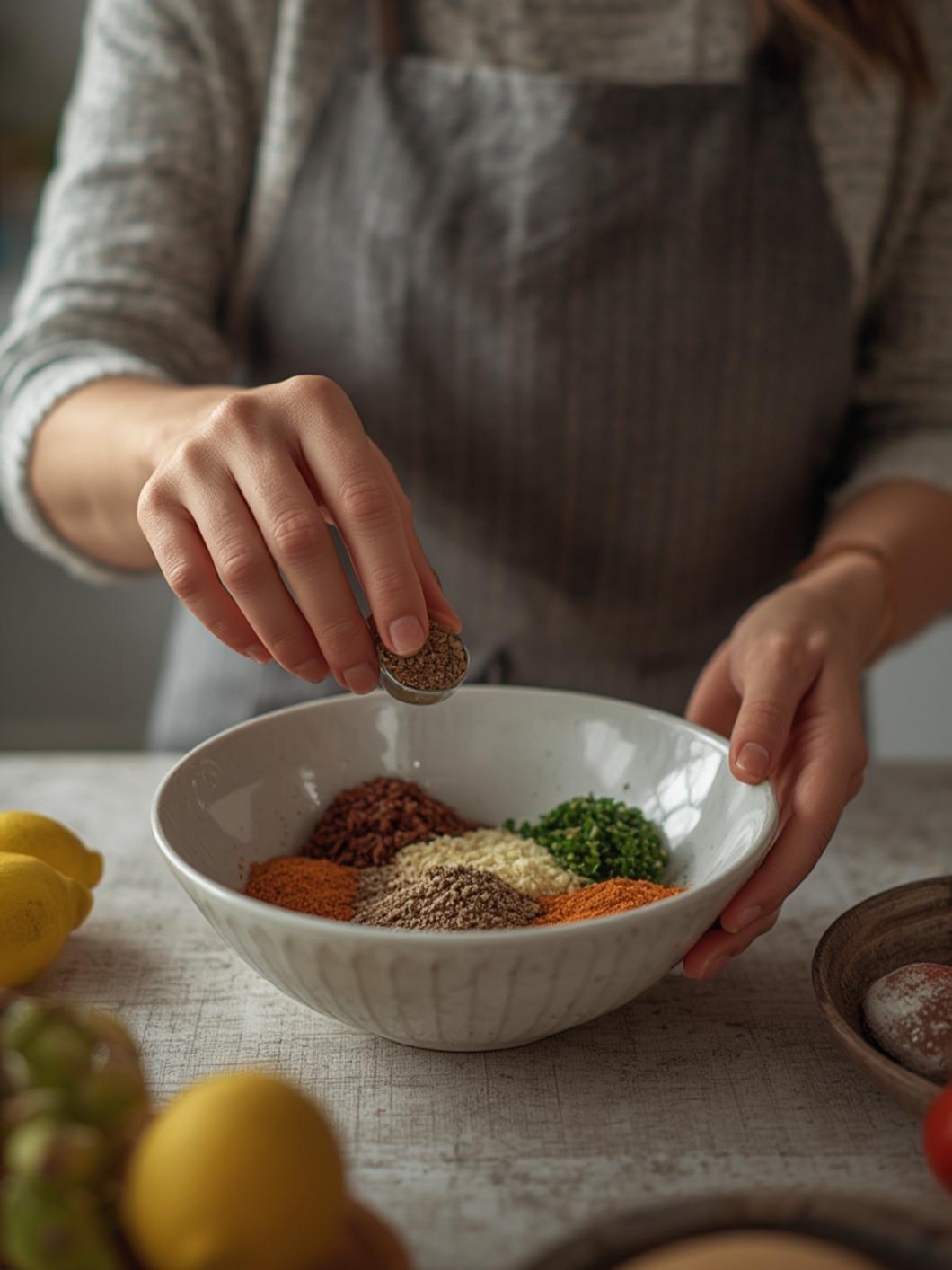
3. Combine Dry Ingredients: In a separate bowl, whisk together the flour, ginger, cinnamon, cloves, nutmeg, salt, and baking soda. This ensures the spices and leavener are evenly distributed.
4. Form the Dough: With the mixer on low, gradually add the dry ingredients to the wet mixture. Mix just until a soft, cohesive dough forms and no dry flour remains. Pro Tip: Avoid overmixing, which can lead to tough cookies.
5. Chill the Dough: Divide the dough in half, shape each into a 1-inch thick disc, and wrap tightly in plastic wrap. Refrigerate for at least 2-3 hours, or overnight. This crucial step prevents spreading and makes rolling easier.
6. Roll & Cut: Preheat your oven to 350°F (175°C). Line baking sheets with parchment paper. On a lightly floured surface, roll one dough disc to a consistent ¼-inch thickness. Use your cutters to stamp out shapes, dipping them in flour to prevent sticking. This is where your gingerbread cookie recipe truly comes to life. Transfer shapes to the prepared sheets, leaving 1 inch of space between them.
7. Bake to Perfection: Bake for 10-12 minutes, or until the edges are just set and the centers appear slightly puffed. The cookies will firm up as they cool. For uniform christmas gingerbread cookies, rotate your baking sheet halfway through the bake time.
8. Cool Completely: Let cookies cool on the baking sheet for 5 minutes before transferring them to a wire rack to cool completely before decorating.
Nutritional Benefits & Health Info
While a holiday treat, these cookies offer more than just empty calories. Molasses is a source of iron, calcium, magnesium, and potassium. Ginger and cinnamon are renowned for their anti-inflammatory properties and can aid digestion. This recipe can be adapted to be slightly healthier by using whole wheat pastry flour for added fiber or reducing the sugar by a quarter cup. Remember, homemade allows you to control the quality of every ingredient.
Variations, Substitutions & Chef’s Tips
- Gluten-Free: Substitute the all-purpose flour with a 1:1 gluten-free baking blend.
- Dairy-Free/Vegan: Use plant-based butter and a “flax egg” (1 tbsp ground flaxseed mixed with 2.5 tbsp water).
- Flavor Twists: Add ½ teaspoon of black pepper for a subtle kick, or the zest of one orange for a citrusy note.
- Chef’s Tip for Soft Cookies: For a softer, chewier texture, roll your dough slightly thicker (⅜-inch) and reduce baking time by 1 minute.
- High-Altitude Adjustment: Add 1-2 extra tablespoons of flour to the dough to account for drier air.
Common Cooking Mistakes to Avoid

1. Skipping the Chill Time: This is the #1 reason cookies spread into blobs. Chilled dough holds its shape, yielding crisp, defined edges.
2. Using the Wrong Molasses: Blackstrap molasses is bitter and overpowering. Always opt for unsulphured “light” or “dark” molasses for the best flavor.
3. Overbaking: Gingerbread continues to cook on the hot sheet. Pull them when they look just set. Overbaked cookies become hard and lose their spicy warmth.
4. Rolling on Too Much Flour: Excess flour incorporated during rolling can make cookies dry and tough. Dust lightly and use a bench scraper to lift your dough.
Serving & Storage Suggestions
Serve your decorated cookies on a festive platter with mugs of hot apple cider or coffee. For storage, keep undecorated cookies in an airtight container at room temperature for up to 1 week. Iced cookies should be layered between sheets of parchment paper and stored in a single layer. For longer storage, freeze undecorated cookies for up to 3 months. Thaw at room temperature before icing.
Conclusion
Baking these cookies is more than a culinary task; it’s an act of creating holiday magic. The process of mixing, rolling, cutting, and decorating is a joyful ritual that yields delicious, tangible results. We hope this detailed guide empowers you to master your own signature gingerbread cookie recipe and create a platter of beautiful, flavorful christmas gingerbread cookies that will be the star of your holiday table. Did you try this recipe? We’d love to see your creations! Share your photos in the comments below or tag us on social media.
FAQs
Q: Can I make the dough ahead of time?
A: Absolutely! The wrapped dough discs can be refrigerated for up to 3 days or frozen for up to 3 months. Thaw frozen dough overnight in the refrigerator before rolling.
Q: My royal icing is too runny/thick. How do I fix it?
A: For runny icing, add more sifted confectioners’ sugar, a tablespoon at a time. For thick icing, add more water, a teaspoon at a time, until it reaches a “10-second” consistency (icing drizzled back into the bowl disappears in about 10 seconds).
Q: Why are my cookies puffy instead of flat?
A: This is usually due to expired baking soda or undermixing the dough. Ensure your baking soda is fresh and that you’ve mixed the dry ingredients in thoroughly.
Q: Can I use honey instead of molasses?
A: Honey will change the flavor and texture significantly, resulting in a lighter, less robust spice flavor and a softer cookie. For authentic gingerbread, molasses is essential.