Follow Me On Social Media!

Proven way to make 5 Kuya approved recipes

The Ultimate Homemade Chicken Adobo: A Filipino Classic Perfected
Have you ever caught a whisp of garlic, soy, and vinegar simmering together and felt instantly transported? That’s the magic of Chicken Adobo, the unofficial national dish of the Philippines. While you can find versions in restaurants, nothing compares to the deep, comforting flavor of a homemade chicken adobo recipe that’s been patiently braised in your own kitchen. This isn’t just a meal; it’s a culinary hug, a perfect balance of savory, tangy, and subtly sweet that clings to tender, fall-off-the-bone chicken. Today, we’re mastering this iconic Filipino chicken stew, ensuring every bite is better than any takeout you’ve ever tried.
Table of Contents
Ingredients & Kitchen Tools
For the best adobo, quality ingredients are key. Use a good, low-sodium soy sauce and a neutral cane or coconut vinegar for authentic flavor.
Ingredients:
- 2 lbs bone-in, skin-on chicken thighs and drumsticks
- 1 head of garlic (10-12 cloves), minced
- 1/2 cup low-sodium soy sauce
- 1/2 cup cane vinegar (or white vinegar)
- 1 cup water
- 3 bay leaves
- 1 tsp whole black peppercorns
- 2 tbsp brown sugar or 1 tbsp honey (optional, for balance)
- 2 tbsp cooking oil
Optional Garnish:
- Sliced green onions
- Hard-boiled eggs, peeled (a classic addition!)
- Steamed jasmine rice for serving
Kitchen Tools:
- Large, heavy-bottomed pot or Dutch oven (essential for even braising)
- Tongs
- Measuring cups and spoons
- Sharp knife and cutting board
Prep Time & Cooking Schedule
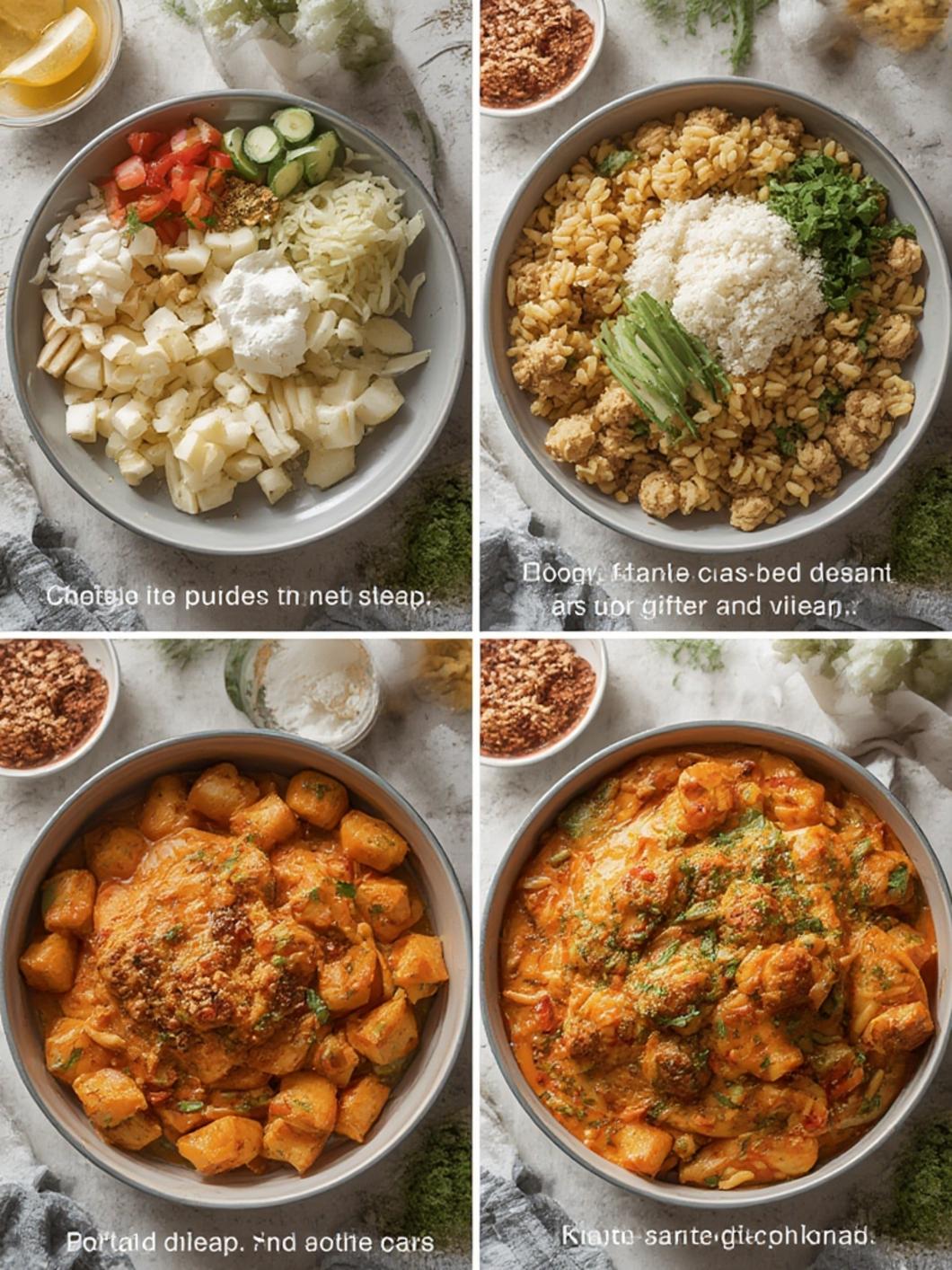
Prep Time: 15 minutes
Cook Time: 50 minutes
Total Time: 1 hour 5 minutes
Yields: 4-6 servings
Schedule: While you mince the garlic, you can let the chicken come to room temperature. The active cooking time at the start is brief; the majority of the time is hands-off simmering, perfect for preparing your rice and side dishes.
Step-by-Step Cooking Instructions
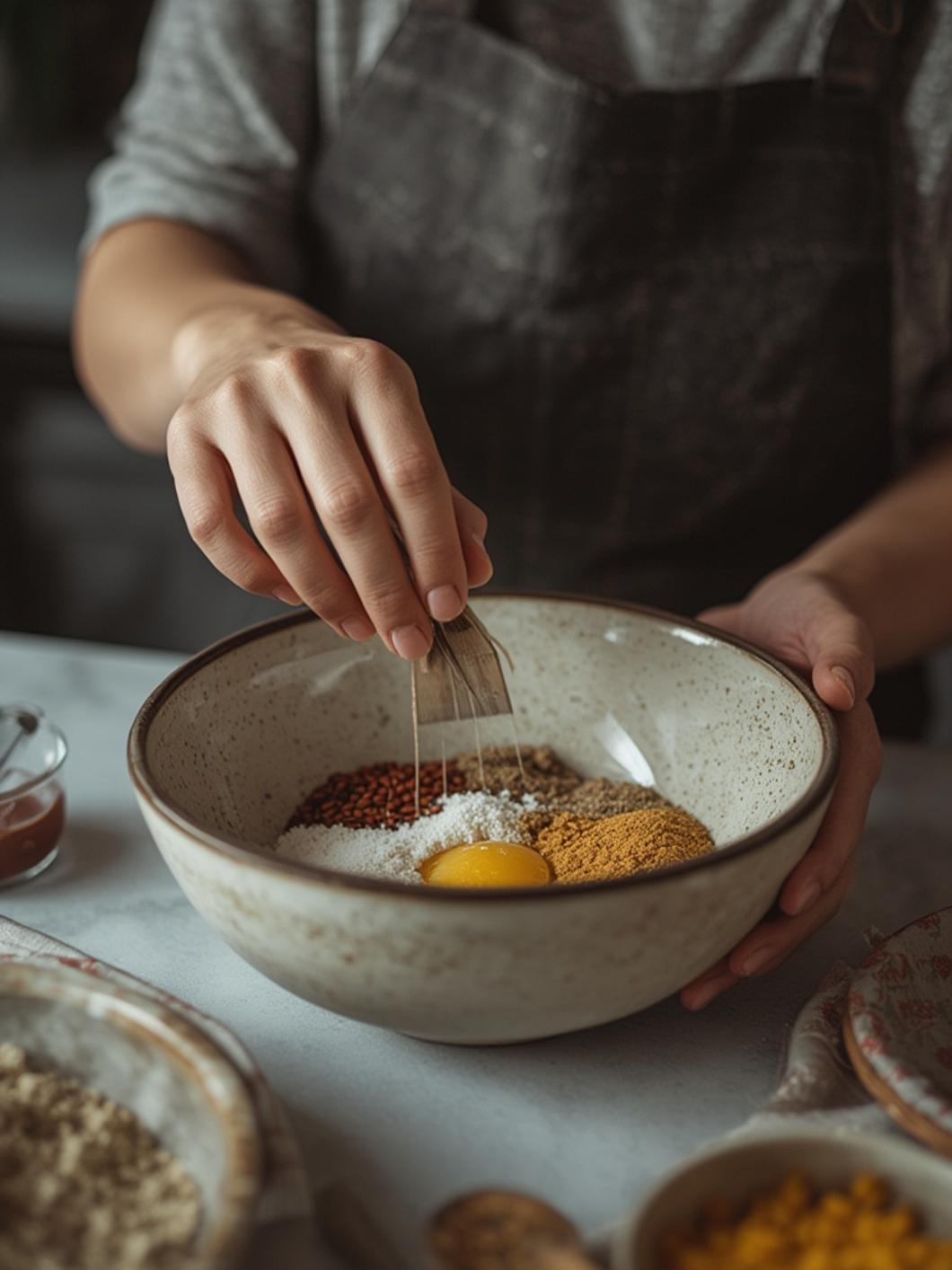
1. Brown the Chicken: Pat the chicken pieces completely dry with paper towels—this is crucial for a good sear. Heat the oil in your Dutch oven over medium-high heat. Working in batches to avoid crowding, sear the chicken, skin-side down, for 4-5 minutes until deeply golden and crisp. Flip and sear the other side for 2-3 minutes. Remove and set aside.
2. Sauté the Aromatics: In the same pot, lower the heat to medium. Add the minced garlic and sauté for just 30-60 seconds until fragrant but not browned. The goal is to perfume the oil.
3. Create the Braising Liquid: Pour in the soy sauce, vinegar, water, and add the bay leaves and peppercorns. Stir to combine, scraping up any delicious browned bits (fond) from the bottom of the pot. For a truly authentic chicken adobo recipe, resist the urge to stir once the vinegar is added until it simmers, allowing its sharpness to mellow.
4. Braise to Perfection: Return the chicken to the pot, skin-side up. Bring the liquid to a boil, then immediately reduce the heat to low, cover, and let it simmer gently for 30 minutes.
5. Reduce the Sauce: After 30 minutes, uncover the pot. The chicken should be incredibly tender. Remove the chicken pieces temporarily. Increase the heat to medium-high and let the sauce boil for 8-10 minutes until it reduces and thickens slightly to a glossy, coating consistency. This step concentrates the flavor of your Filipino chicken stew.
6. Final Simmer: Return the chicken to the reduced sauce and simmer for another 5 minutes, spooning the sauce over the pieces to glaze them.
Nutritional Benefits & Health Info
This dish is more than just flavorful. Chicken thighs provide high-quality protein and essential nutrients like iron and zinc. Garlic is renowned for its anti-inflammatory properties, while vinegar can aid digestion. Using low-sodium soy sauce helps control salt intake. It’s naturally gluten-free if you use tamari, and can be made lower in sugar by omitting the sweetener.
Variations, Substitutions & Chef’s Tips
Protein Swap: Use pork belly or a mix of pork and chicken for a classic Adobong Baboy*.
Coconut Twist: Add 1 cup of coconut milk with the water for a richer, creamier Adobo sa Gata*.
- Air Fryer Finish: For extra-crispy skin, after braising, air fry the chicken pieces at 400°F for 4-5 minutes while you reduce the sauce on the stovetop.
- Vegan Version: Use hearty mushrooms, tofu puffs, and jackfruit as your base.
- Chef’s Tip: Let your adobo rest for 10 minutes off the heat before serving. The flavors meld and intensify beautifully.
Common Cooking Mistakes to Avoid
1. Skipping the Sear: Searing creates complex flavor through the Maillard reaction. Don’t rush this step.
2. Using High Heat While Simmering: A vigorous boil will toughen the chicken. A gentle, low simmer is key for tenderness.
3. Stirring After Adding Vinegar: Let the vinegar come to a simmer undisturbed. This allows its sharp acidity to cook off, leaving behind a mellow tang.
4. Not Reducing the Sauce: The reduced, concentrated sauce is the soul of the dish. Don’t serve it watery.
Serving & Storage Suggestions
Serve your adobo hot over a mountain of steamed jasmine rice to soak up the incredible sauce. A side of simple sautéed greens or a fresh cucumber salad cuts through the richness beautifully.
Storage: Cool completely and store in an airtight container in the refrigerator for up to 4 days. The flavor often improves the next day! You can also freeze it for up to 3 months. Thaw overnight in the fridge.
Reheating: Gently reheat in a covered saucepan over low heat with a splash of water to loosen the sauce. Avoid the microwave, which can make the chicken rubbery.
Conclusion
Mastering this chicken adobo recipe is a rewarding journey into the heart of Filipino cuisine. It’s a testament to how simple ingredients, treated with care, can create a Filipino chicken stew that is profoundly delicious and endlessly comforting. We hope this becomes a staple in your home kitchen. Don’t forget to check out other trusted dishes like these Kuya approved recipes for more culinary inspiration. Did you try it? We’d love to see your creation! Rate the recipe below and share your photos with us.
FAQs
Q: Can I use boneless, skinless chicken breasts?
A: You can, but they will cook faster and are more prone to drying out. Reduce the covered simmering time to 15-20 minutes and monitor closely.
Q: My adobo tastes too vinegary. What did I do wrong?
A: The vinegar needs time to mellow. Ensure you didn’t stir it before simmering and that you let it cook, covered, for the full 30 minutes. The optional brown sugar also helps balance sharp acidity.
Q: How can I make the sauce thicker?
A: Let it reduce uncovered for a few extra minutes. For a quick thickener, mix 1 tsp of cornstarch with 1 tbsp of cold water and stir it into the simmering sauce for 1-2 minutes until thickened.
Q: Is adobo meant to be eaten the next day?
A: Absolutely! Like many stews, the flavors deepen and meld overnight, making leftovers highly coveted.
Q: Where can I find more authentic ideas like this?
A: For a fantastic collection of easy, family-friendly meals, explore these Kuya recipes that focus on simple, flavorful techniques.