
Follow Me On Social Media!

Proven way to make 7 Tipid tips ulam

The Ultimate Homemade Chicken Adobo: A Filipino Classic Made Simple
There’s a reason why the scent of garlic, soy, and vinegar simmering on the stove feels like a warm hug. It’s the unmistakable aroma of Chicken Adobo, the Philippines’ beloved national dish. But have you ever wondered why your homemade version sometimes doesn’t capture that perfect balance of savory, tangy, and subtly sweet found in the best family kitchens? The secret isn’t a mystery—it’s about technique and patience. Forget the overly salty or one-note versions; making this iconic budget meal recipe at home allows you to control the quality of ingredients and tailor the flavors to your taste, creating a deeply personal and satisfying pot of comfort that no restaurant can match. It’s a testament to how simple ingredients can transform into something extraordinary, a perfect example of a Tipid tips ulam that feeds the soul without straining the wallet.
Ingredients & Kitchen Tools
For a truly authentic and flavorful Adobo, quality matters. Use a good-quality, light soy sauce (like Silver Swan or Datu Puti if available) and native cane vinegar (sukang maasim) for the best tang. White vinegar works, but the flavor profile will be sharper.
For the Chicken & Marinade:
- 1.5 kg (about 3.3 lbs) chicken, cut into serving pieces (a mix of thighs and drumsticks is ideal for flavor and juiciness)
- 1/2 cup soy sauce
- 1/2 cup cane vinegar or white vinegar
- 1 head of garlic (about 8-10 cloves), minced
- 1 teaspoon whole black peppercorns, lightly crushed
- 3-4 dried bay leaves
For Cooking:
- 2 tablespoons cooking oil
- 1 cup water
- 1 tablespoon brown sugar or 1 tsp honey (optional, for balance)
Optional Garnish:
- Hard-boiled eggs
- Sliced scallions
Kitchen Tools You’ll Need:
- A large, heavy-bottomed pot or Dutch oven (crucial for even braising)
- Measuring cups and spoons
- Tongs
- A small bowl for the reserved marinade
Prep Time & Cooking Schedule
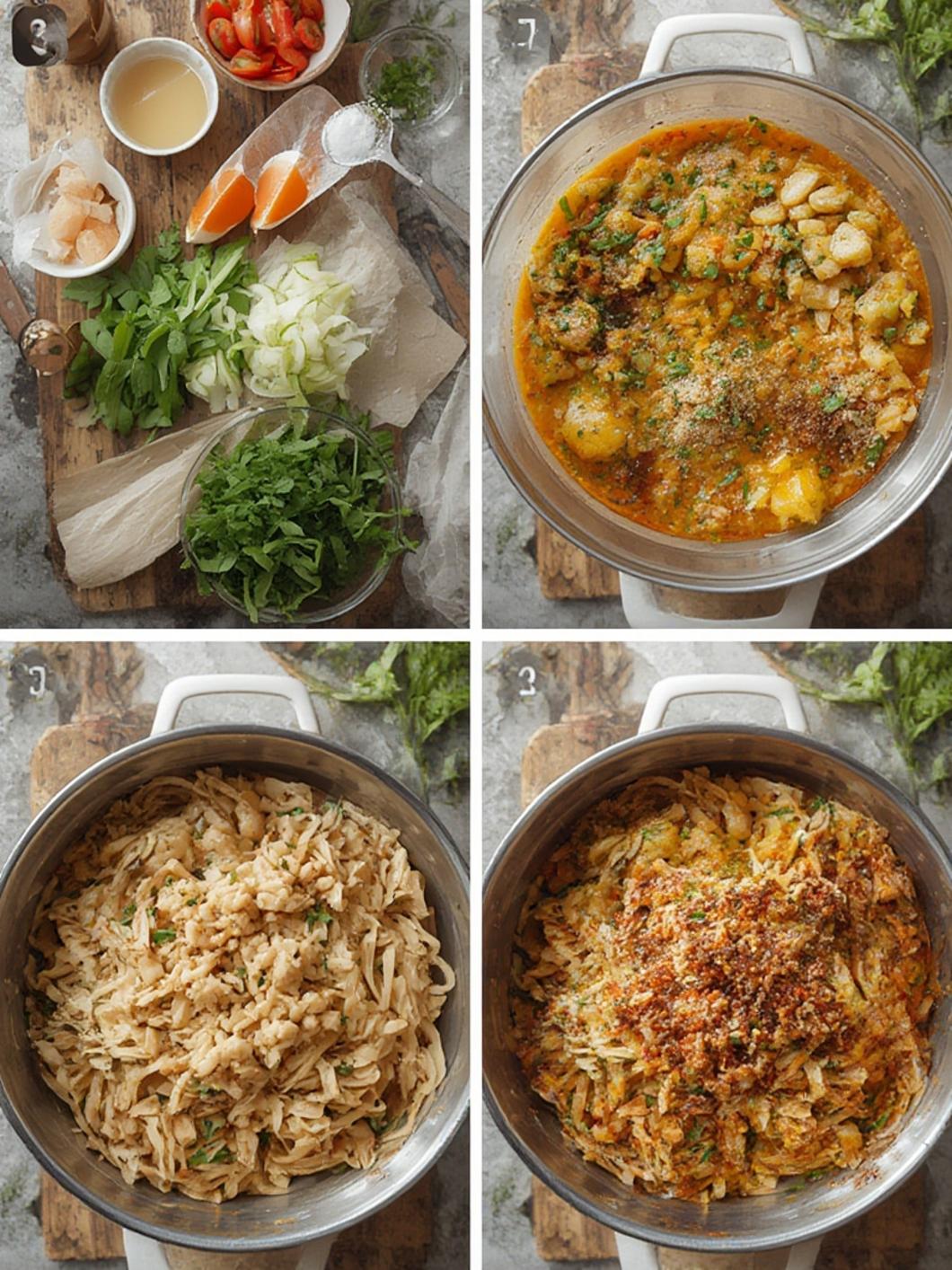
Prep Time: 15 minutes (plus 30 minutes to 1 hour marinating)
Cook Time: 45 minutes
Total Time: About 1.5 hours
Yields: 4-6 servings
Time Management Tip: While the chicken marinates (a step you shouldn’t skip for depth of flavor!), prep your garlic and gather all other ingredients. The active cooking time is mostly hands-off simmering, so you can prepare a side of steamed rice or a simple vegetable dish.
Step-by-Step Cooking Instructions
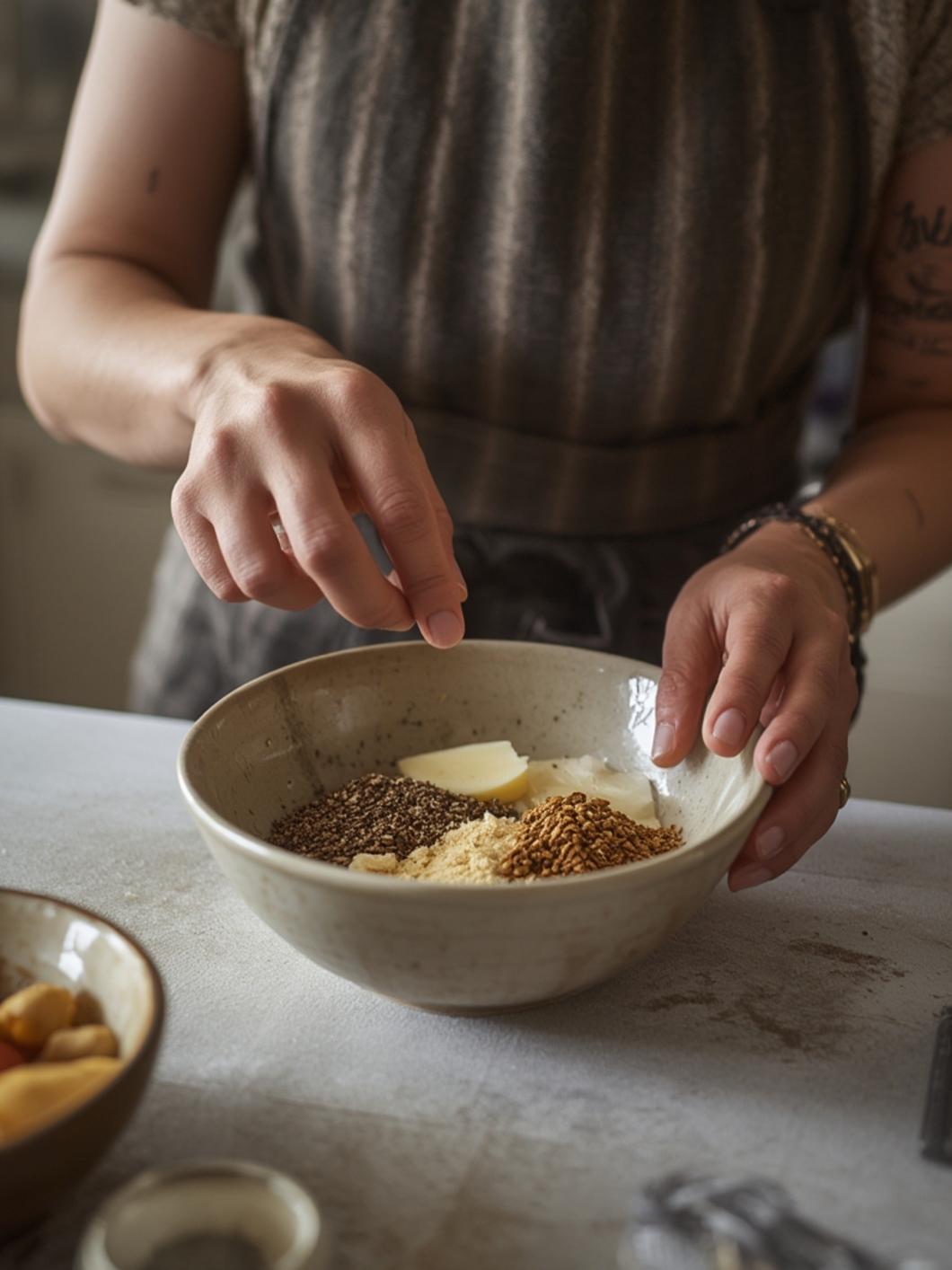
1. Marinate the Chicken: In a large bowl, combine the chicken pieces, soy sauce, vinegar, half of the minced garlic, crushed peppercorns, and bay leaves. Gently massage the marinade into the chicken. Cover and refrigerate for at least 30 minutes, or up to 2 hours for more intense flavor. Pro Tip: Reserve the marinade in a separate bowl—do not discard it! We will use this flavorful liquid to cook the chicken.
2. Sear for Flavor: Heat the cooking oil in your heavy-bottomed pot over medium-high heat. Pat the chicken pieces dry with paper towels (this ensures a beautiful sear). Sear the chicken in batches until golden brown on all sides, about 3-4 minutes per side. Remove and set aside.
3. Build the Aroma Base: In the same pot, sauté the remaining minced garlic in the oil and chicken drippings until fragrant and just starting to turn golden, about 1 minute. Be careful not to burn it.
4. The Simmering Braise: Return the seared chicken to the pot. Pour in the reserved marinade and 1 cup of water. Add the optional sugar or honey now if using. Bring to a boil, then immediately reduce the heat to low, cover, and let it simmer gently for 30-35 minutes, or until the chicken is tender and cooked through.
5. Reduce and Glaze: Uncover the pot. Increase the heat to medium and let the sauce reduce and thicken for about 8-10 minutes, occasionally spooning the sauce over the chicken. You’re looking for a rich, glossy coating on the chicken pieces. This is where the magic happens, transforming this budget meal recipe into a luxurious-tasting dish. The sauce should coat the back of a spoon.
6. Rest and Serve: Turn off the heat. Let the chicken adobo rest in the pot for 5-10 minutes. This allows the flavors to settle and the meat to reabsorb some juices. This final patience-testing step is a classic Tipid tips ulam strategy, ensuring every bite is moist and packed with flavor.
Nutritional Benefits & Health Info
Chicken Adobo is more than just delicious; it’s a relatively balanced meal. Chicken provides high-quality protein essential for muscle repair, while garlic offers allicin, a compound with noted antioxidant properties. Using leaner cuts like chicken breast can lower fat content, and you can control the sodium by using a low-sodium soy sauce. The vinegar may also aid digestion. Served with a large portion of steamed vegetables and brown rice, it becomes a wholesome, satisfying plate.
Variations, Substitutions & Chef’s Tips
- Pork or Combo: Use pork belly (Liempo) or a mix of pork and chicken for a richer flavor.
- Coconut Twist: Add 1 cup of coconut milk during the last 10 minutes of simmering for a creamy, Bicol Express-style variation.
- Air Fryer Finish: For extra-crispy skin, after simmering, place the chicken pieces in an air fryer at 200°C (400°F) for 5-7 minutes while you reduce the sauce on the stove.
- Vegan/Vegetarian: Substitute chicken with thick slices of tofu, tempeh, or hearty mushrooms like king oyster. Sear well before braising.
- Chef’s Tip: For a clearer, less cloudy sauce, avoid boiling the vinegar aggressively after adding it. A gentle simmer is key.
Common Cooking Mistakes to Avoid
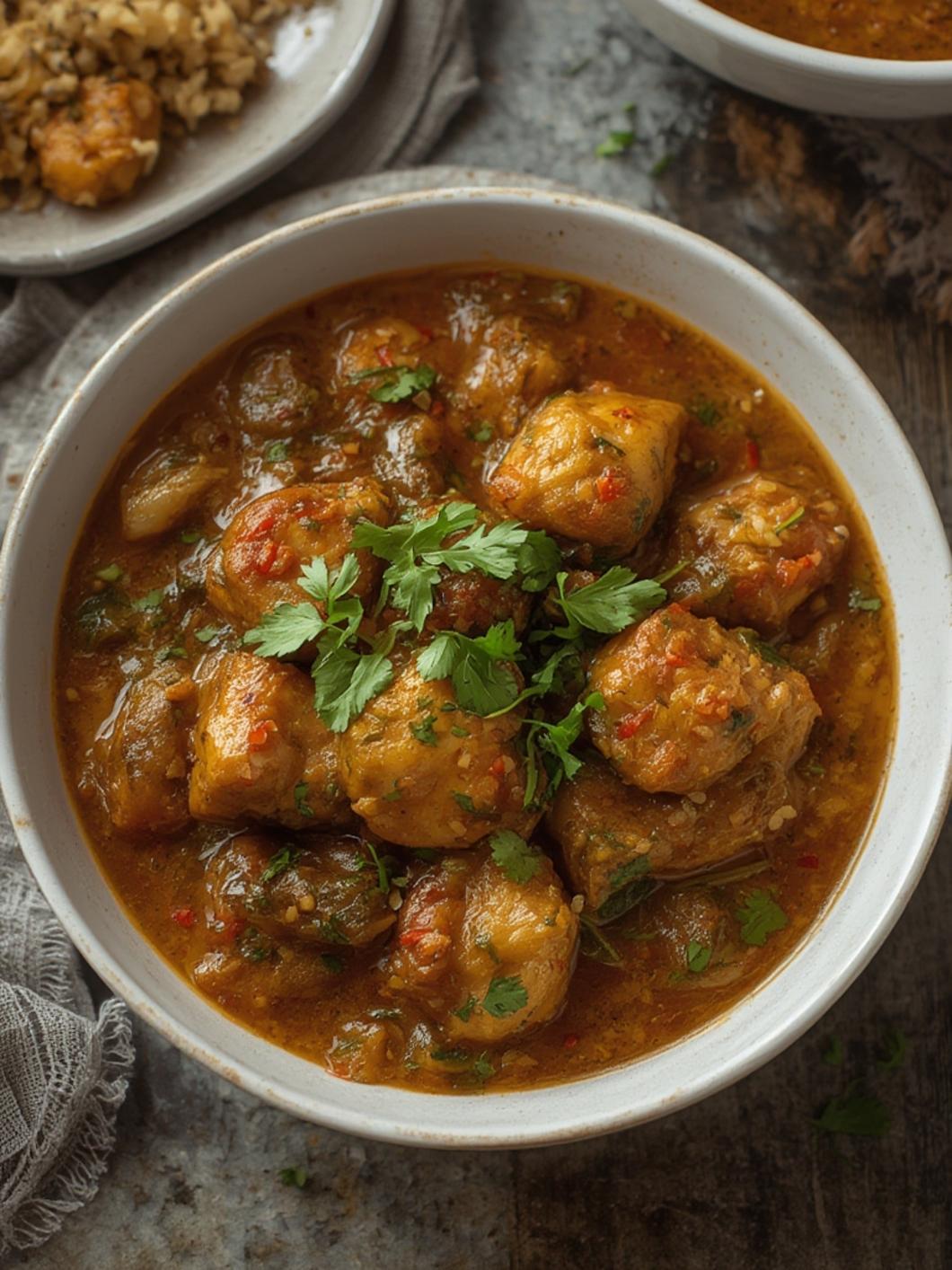
1. Skipping the Sear: Searing isn’t just for color; it creates a fond (browned bits) at the bottom of the pot that forms the flavor foundation for your sauce. Don’t rush this step.
2. Using the Marinade Raw: Always boil the marinade used on raw meat to kill any bacteria. This is why we use it as the cooking liquid, ensuring it’s safe and flavorful.
3. Over-Reducing the Sauce: Watch the sauce closely during the reduction phase. If it thickens too much, it can become overly salty. You can always add a splash of water to adjust.
4. Not Letting it Rest: Serving immediately after cooking doesn’t allow the chicken fibers to relax, which can make the meat seem tougher. A brief rest is crucial.
Serving & Storage Suggestions
Serve your Chicken Adobo piping hot over a mountain of freshly steamed jasmine rice—the sauce is meant to be enjoyed mixed into every grain. A side of crisp, blanched vegetables like bok choy or green beans provides a refreshing contrast.
Storage: Cool leftovers completely and store in an airtight container in the refrigerator for up to 3-4 days. The flavors often deepen and improve the next day. You can also freeze it for up to 2 months.
Reheating: Gently reheat in a covered saucepan over low heat with a tiny splash of water to loosen the sauce. Microwave reheating can make the chicken rubbery.
Conclusion
Mastering Chicken Adobo is a rewarding culinary rite of passage. It’s a dish that teaches the beauty of patience, the alchemy of a few humble ingredients, and the profound comfort of a meal made with care. This recipe proves that a true budget meal recipe doesn’t mean compromising on depth or satisfaction. It’s the ultimate Tipid tips ulam, a generous, flavor-packed pot that brings family and friends together. I hope this guide empowers you to create your own perfect version. Don’t forget to share your Adobo journey—tag your photos or leave a comment below telling me how it turned out!
FAQs
Q: Can I use chicken breasts instead of thighs?
A: Yes, but be cautious with cooking time. Chicken breasts cook faster and can dry out. Reduce the simmering time to 20-25 minutes and check for doneness earlier.
Q: My adobo turned out too salty. How can I fix it?
A: Add a peeled, raw potato to the pot and simmer for 10-15 minutes; it will absorb some salt. You can also dilute with a bit of water and balance with a teaspoon of sugar or a squeeze of calamansi/lemon.
Q: Is it necessary to marinate the chicken?
A: While you can cook it without marinating, the 30-minute soak allows the flavors to penetrate the meat, resulting in a more flavorful dish from the inside out.
Q: Can I make this ahead of time?
A: Absolutely! Adobo often tastes even better the next day. Simply follow the recipe, let it cool, refrigerate, and gently reheat before serving.
Q: Why is my sauce not thickening?
A: Your heat may be too low during the reduction phase. Uncover the pot, increase to a steady simmer (not a rolling boil), and let the liquid evaporate. The natural gelatin from the chicken will also help thicken it as it cools.