
Follow Me On Social Media!

Quick way to make 5 Regional Filipino dishes

Have you ever caught a whisp of garlic, soy, and vinegar simmering together and felt instantly transported? That’s the magic of Chicken Adobo, the unofficial national dish of the Philippines. While you can find it in restaurants, nothing compares to the deeply personal, aromatic experience of crafting it in your own kitchen. Homemade Adobo allows you to control the perfect balance of salty, sour, and savory, and fill your home with the soul-warming scents of Regional Filipino dishes. This recipe unlocks that authentic, comforting flavor, making takeout obsolete.
Table of Contents
Ingredients & Kitchen Tools
For the Marinade & Braise:
- 2 lbs chicken thighs and drumsticks (bone-in, skin-on for maximum flavor)
- 1 cup low-sodium soy sauce
- 1 cup cane vinegar (or white vinegar)
- 1 cup water
- 1 whole head of garlic, cloves crushed (about 10-12 cloves)
- 2 teaspoons whole black peppercorns
- 3-5 dried bay leaves
- 1 tablespoon brown sugar (optional, for a touch of caramelization)
For Searing & Garnish:
- 2 tablespoons cooking oil (vegetable or canola)
- 3-4 hard-boiled eggs (optional, classic addition)
- Sliced green onions for garnish
- Steamed jasmine rice, for serving
Kitchen Tools:
- Large, heavy-bottomed pot or Dutch oven (crucial for even braising)
- Tongs
- Measuring cups and spoons
- Small bowl for optional sauce reduction
Ingredient Quality Tip: For the most authentic taste, seek out cane vinegar (like Datu Puti brand) and use fresh, pliable bay leaves. The quality of soy sauce is key—a good low-sodium brand provides depth without overwhelming saltiness.
Prep Time & Cooking Schedule
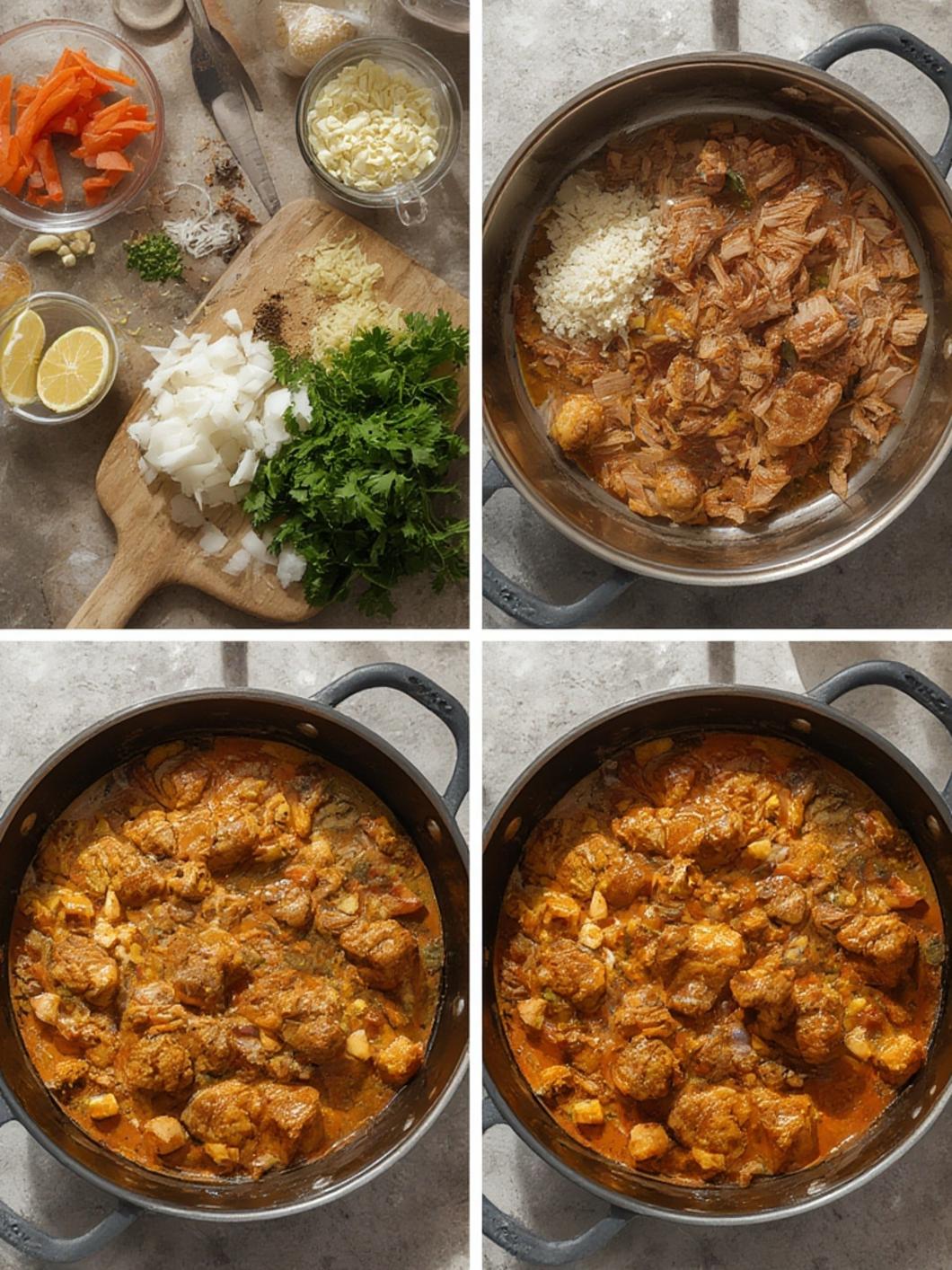
Prep Time: 10 minutes (plus 1 hour to overnight marinating)
Cook Time: 50 minutes
Total Time: 1 hour (active), plus marinating
Yields: 4-6 servings
Time Management: While the chicken marinates (a step you can do the night before), prepare your side dishes. The active cooking time is largely hands-off braising, giving you time to steam rice and prepare garnishes.
Step-by-Step Cooking Instructions
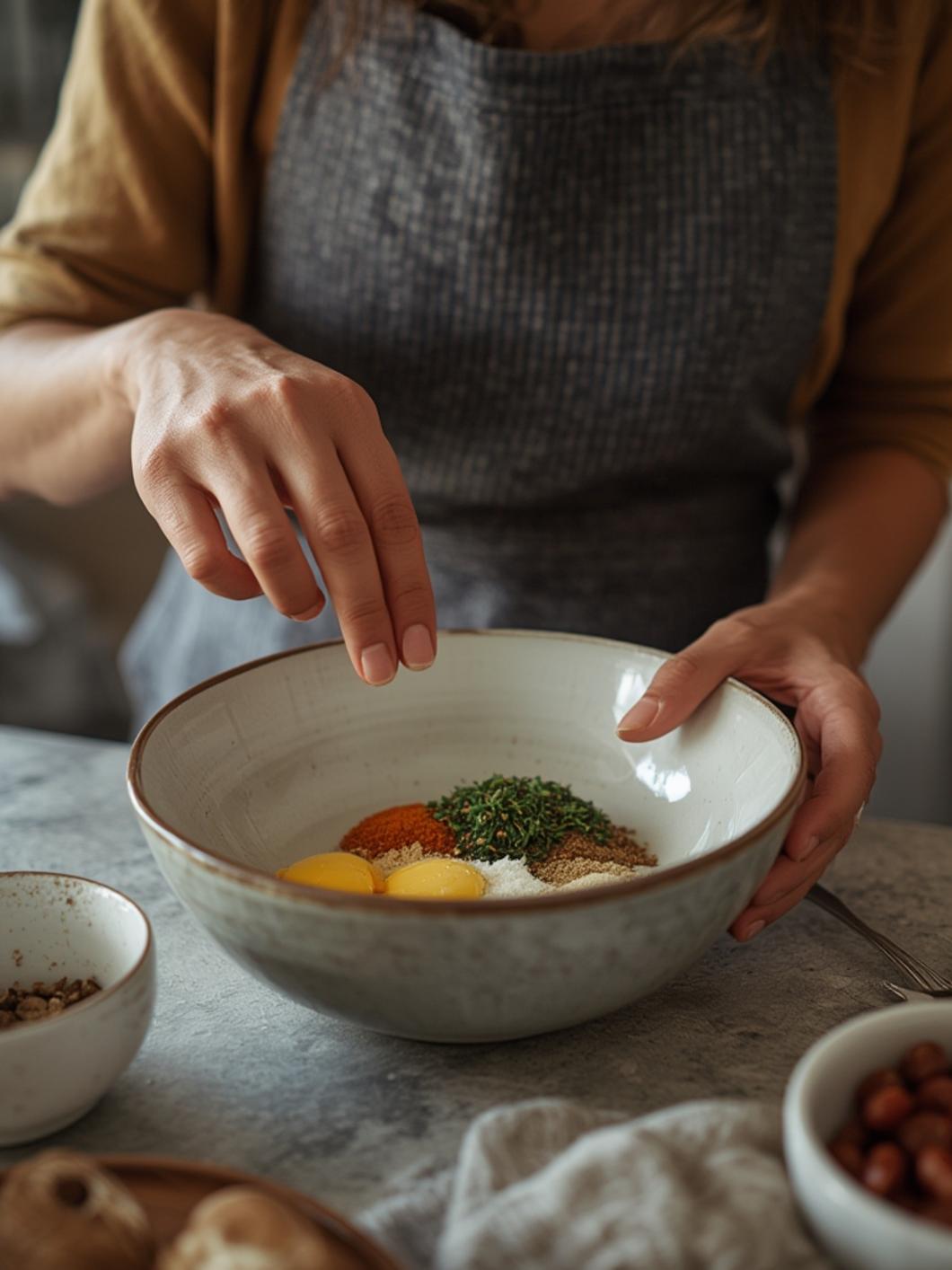
1. Marinate the Chicken: In your large pot, combine the chicken, soy sauce, crushed garlic, peppercorns, and bay leaves. Ensure the chicken is well-coated. Cover and marinate in the refrigerator for at least 1 hour, or ideally overnight for profound flavor penetration.
2. Braise to Tenderness: To the pot with the marinated chicken, add the vinegar and water. Crucially, do not stir after adding the vinegar to prevent it from becoming overly sharp. Bring the liquid to a boil over high heat, then immediately reduce to a low, gentle simmer. Cover and cook for 30-35 minutes, until the chicken is tender and cooked through.
3. Sear and Crisp: Using tongs, carefully remove the chicken from the braising liquid and set it aside on a plate. Increase the heat under the pot to medium-high and let the sauce reduce for about 5 minutes. Meanwhile, heat the cooking oil in a separate large skillet over medium-high heat. Pat the chicken pieces dry with paper towels (this is the secret to a good sear!). Place the chicken in the hot skillet, skin-side down, and sear for 3-4 minutes per side until beautifully golden-brown and crisp. This step defines a great Adobo and showcases the rich diversity of Philippine regional cuisine.
4. Final Simmer and Serve: Return the seared chicken to the pot with the reduced sauce. Add the hard-boiled eggs if using. Let everything simmer together for a final 5 minutes to allow the flavors to marry. The sauce should be a glossy, dark brown and coat the back of a spoon.
Nutritional Benefits & Health Info
This Chicken Adobo is a protein powerhouse, with each serving providing a significant amount from the chicken. Garlic is renowned for its anti-inflammatory and immune-boosting properties, while the vinegar may aid digestion. Using low-sodium soy sauce helps manage salt intake. For a healthier twist, you can skim excess fat from the sauce after braising and serve with a larger portion of steamed vegetables alongside the rice.
Variations, Substitutions & Chef’s Tips
- Pork Adobo: Substitute pork belly or pork shoulder for a richer, even more tender result.
- Coconut Adobo (Adobo sa Gata): Add 1 cup of coconut milk during the last 10 minutes of cooking for a creamy, luxurious variation popular in certain regions.
- Spicy Adobo: Sauté 2-3 sliced Thai chilies with the garlic at the start, or add a tablespoon of spicy chili crisp to the finished dish.
- Air Fryer Finish: Instead of pan-searing, place the braised chicken in an air fryer basket at 400°F for 6-8 minutes to crisp the skin with less oil.
- Chef’s Tip: For a thicker, glaze-like sauce, mix 1 tablespoon of cornstarch with 2 tablespoons of water and stir it into the simmering sauce after you return the chicken.
Common Cooking Mistakes to Avoid
1. Stirring After Adding Vinegar: This can make the vinegar taste harsh and acidic. Let it come to a boil undisturbed to allow the sharpness to mellow.
2. Skipping the Sear: Braising makes the chicken tender, but searing creates complex flavor and appealing texture. Don’t rush this step.
3. Using Minced Garlic from a Jar: Freshly crushed garlic provides a brighter, more authentic aromatic base that is essential to the dish’s character.
4. Over-Reducing the Sauce: The sauce should be flavorful and slightly thickened, but not syrupy. It’s meant to be poured over your rice!
Serving & Storage Suggestions
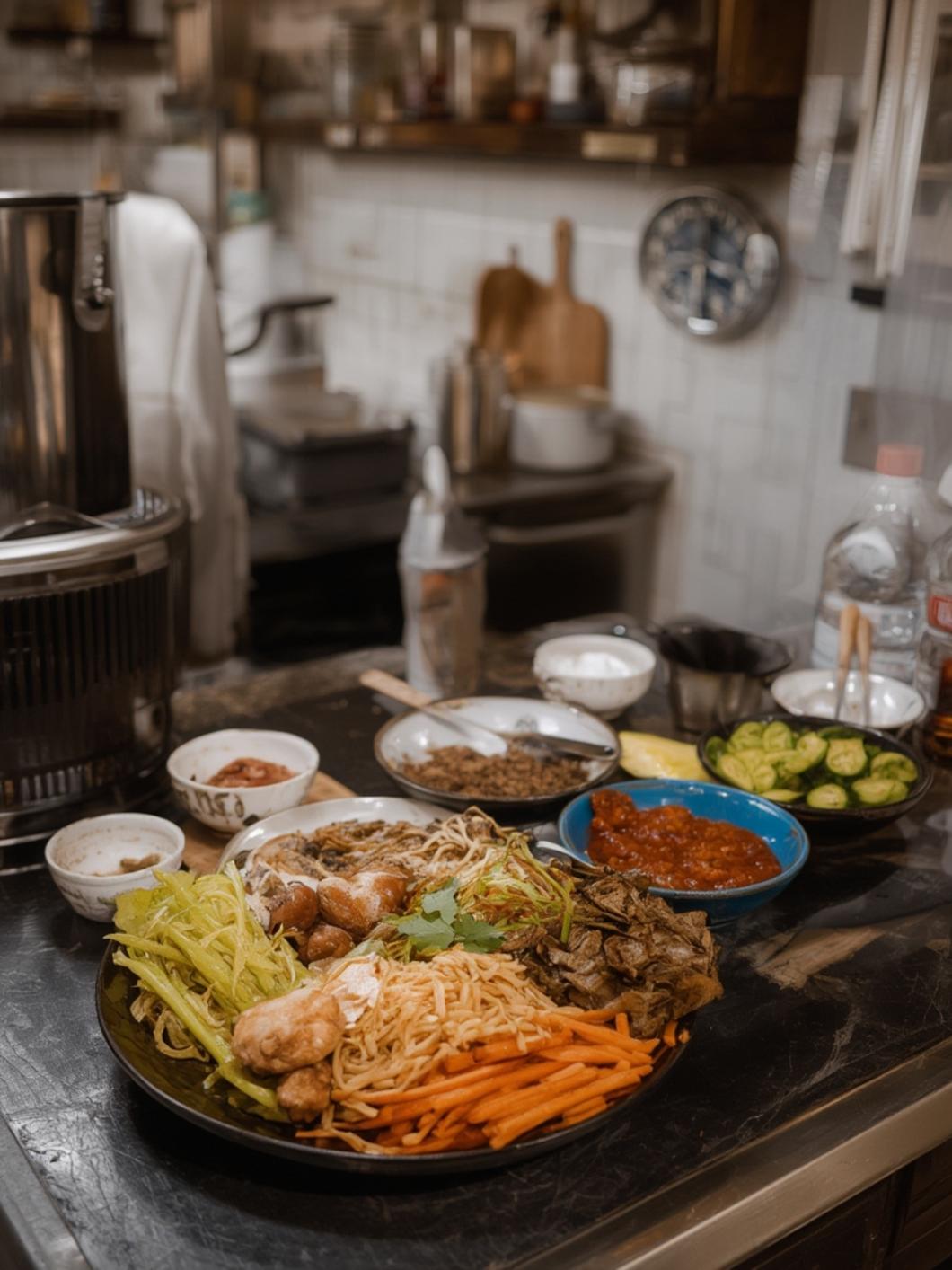
Serve your glorious Chicken Adobo hot over a mountain of fluffy steamed jasmine rice, generously ladling the sauce over everything. Garnish with sliced green onions. Traditional sides include a simple chopped tomato and onion salad (ensalada) or sautéed bitter melon (ampalaya).
Storage: Cool completely and store in an airtight container in the refrigerator for up to 4 days. Adobo’s flavor often deepens on the second day. You can also freeze it for up to 2 months. Thaw overnight in the refrigerator.
Reheating: Gently reheat in a covered saucepan over low heat, adding a splash of water if the sauce has thickened too much. Microwave reheating can make the chicken rubbery.
Conclusion
Mastering Chicken Adobo is a rewarding journey into the heart of Filipino cooking. It’s a testament to how simple ingredients, treated with care, can create a dish of incredible depth and comfort. This recipe is your gateway to exploring the vibrant world of Regional Filipino dishes from your own stove. We hope you’ve enjoyed this deep dive into a cornerstone of Philippine regional cuisine. Don’t forget to share your culinary creation! Tag us on social media or leave a comment below telling us how your Adobo turned out.
FAQs
Q: Can I use chicken breasts instead of thighs?
A: You can, but be very careful with timing. Chicken breasts will cook faster and can become dry. Reduce the initial braising time to 20-25 minutes and monitor closely.
Q: My Adobo turned out too salty. How can I fix it?
A: Add a peeled, raw potato to the simmering sauce for 10-15 minutes; it will absorb some excess salt. You can also dilute with a bit of water and a teaspoon of sugar or a splash of vinegar to rebalance.
Q: Is the vinegar taste supposed to be strong?
A: It should be tangy and pronounced but balanced with the salty soy and sweet garlic notes. The sharpness mellows significantly during cooking. If it’s too strong, a pinch of brown sugar can help round it out.
Q: Can I make this ahead of time?
A: Absolutely! Adobo is an excellent make-ahead meal. In fact, letting it rest overnight in the fridge allows the flavors to develop even more beautifully.
Q: What’s the best vinegar to use?
A: Cane vinegar is traditional and has a mild, slightly sweet tang. White vinegar is a perfect substitute. Avoid balsamic, red wine, or apple cider vinegar as they have distinct flavors that will alter the dish.