Follow Me On Social Media!

Quick way to make a 5-star paella recipe

Have you ever closed your eyes and been transported by a single, intoxicating aroma? The scent of saffron-infused rice, smoky paprika, and the briny kiss of the sea is the unmistakable calling card of a truly great paella. More than just a dish, it’s a vibrant celebration, a centerpiece meant for sharing. While you might be tempted by restaurant versions, nothing compares to the pride and flavor of crafting your own masterpiece. This guide will demystify the process, empowering you to create a stunning, authentic paella recipe that will have your guests believing they’re dining on the sun-drenched coast of Valencia.
Table of Contents


Ingredients & Kitchen Tools
For the best results, source high-quality ingredients. The soul of this dish lies in its components.
Ingredients:
- The Sofrito Base: 1 large yellow onion (finely diced), 1 large red bell pepper (julienned), 4 ripe tomatoes (grated, skins discarded), 6 cloves garlic (minced).
- The Proteins: 4 bone-in, skin-on chicken thighs, 8 large shrimp (peeled & deveined), 8-10 mussels (scrubbed & debearded), 1 cup chopped Spanish chorizo (cured, not Mexican).
- The Rice & Broth: 2 cups Spanish Bomba or Calasparra rice (short-grain), 4 ½ cups high-quality chicken or seafood broth (heated), 1 large pinch (about ½ tsp) of real saffron threads.
- The Flavor Foundation: 2 tsp smoked Spanish paprika (pimentón), ½ cup extra-virgin olive oil, 1 cup frozen peas, 1 lemon (cut into wedges), Salt to taste.
- Optional Garnish: Fresh parsley or rosemary sprigs.
Kitchen Tools:
- A traditional paella pan (a 15-17 inch wide, shallow steel pan is ideal, but a large, wide skillet can work).
- Wooden spoon or spatula.
- Chef’s knife & cutting board.
- Measuring cups/spoons.
Prep Time & Cooking Schedule
Prep Time: 25 minutes
Cook Time: 40 minutes
Total Time: 1 hour 5 minutes
Yields: 4-6 servings
Schedule: While you’re prepping your vegetables and proteins, heat your broth in a separate pot and steep the saffron threads in a ladleful of it. This allows the saffron’s color and flavor to fully bloom, enriching the entire dish.
Step-by-Step Cooking Instructions
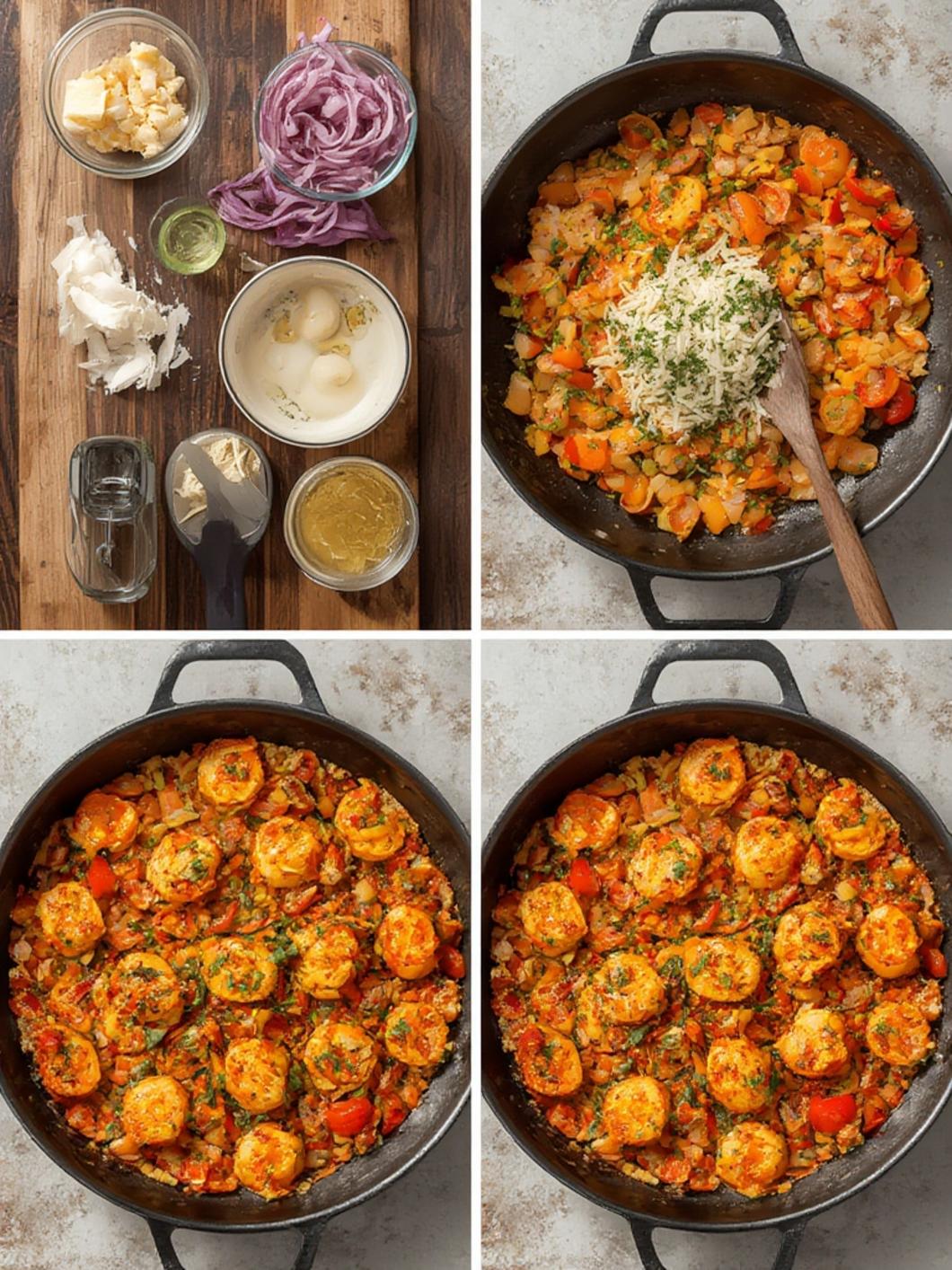
1. Build the Flavor Base: Heat the olive oil in your paella pan over medium-high heat. Season the chicken thighs with salt and sear until golden brown on both sides. Remove and set aside. In the same oil, add the chorizo and cook for 1-2 minutes until it releases its red oils. Add the onion, bell pepper, and a pinch of salt. Cook, stirring, for 8-10 minutes until softened.
2. Create the Sofrito: Stir in the grated tomato and minced garlic. Cook for another 5-7 minutes, allowing the mixture to darken and thicken into a fragrant, jam-like sofrito. This step is non-negotiable for depth of flavor.
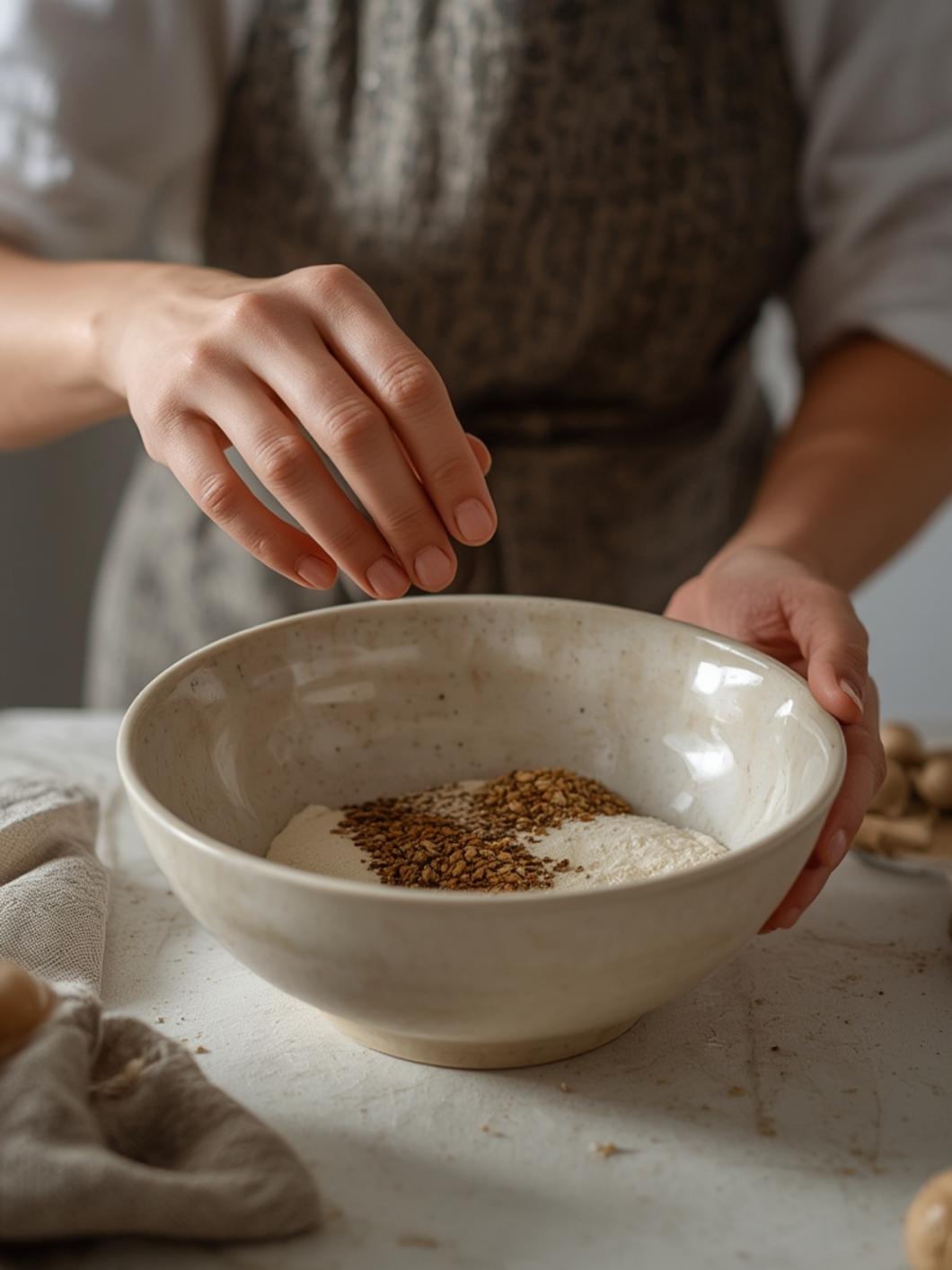
3. Toast the Rice & Spices: Sprinkle in the smoked paprika and stir quickly for 15 seconds to toast it without burning. Add the rice and stir to coat every grain in the glorious oil and sofrito for about 2 minutes. This toasting step is crucial for preventing a gummy texture.
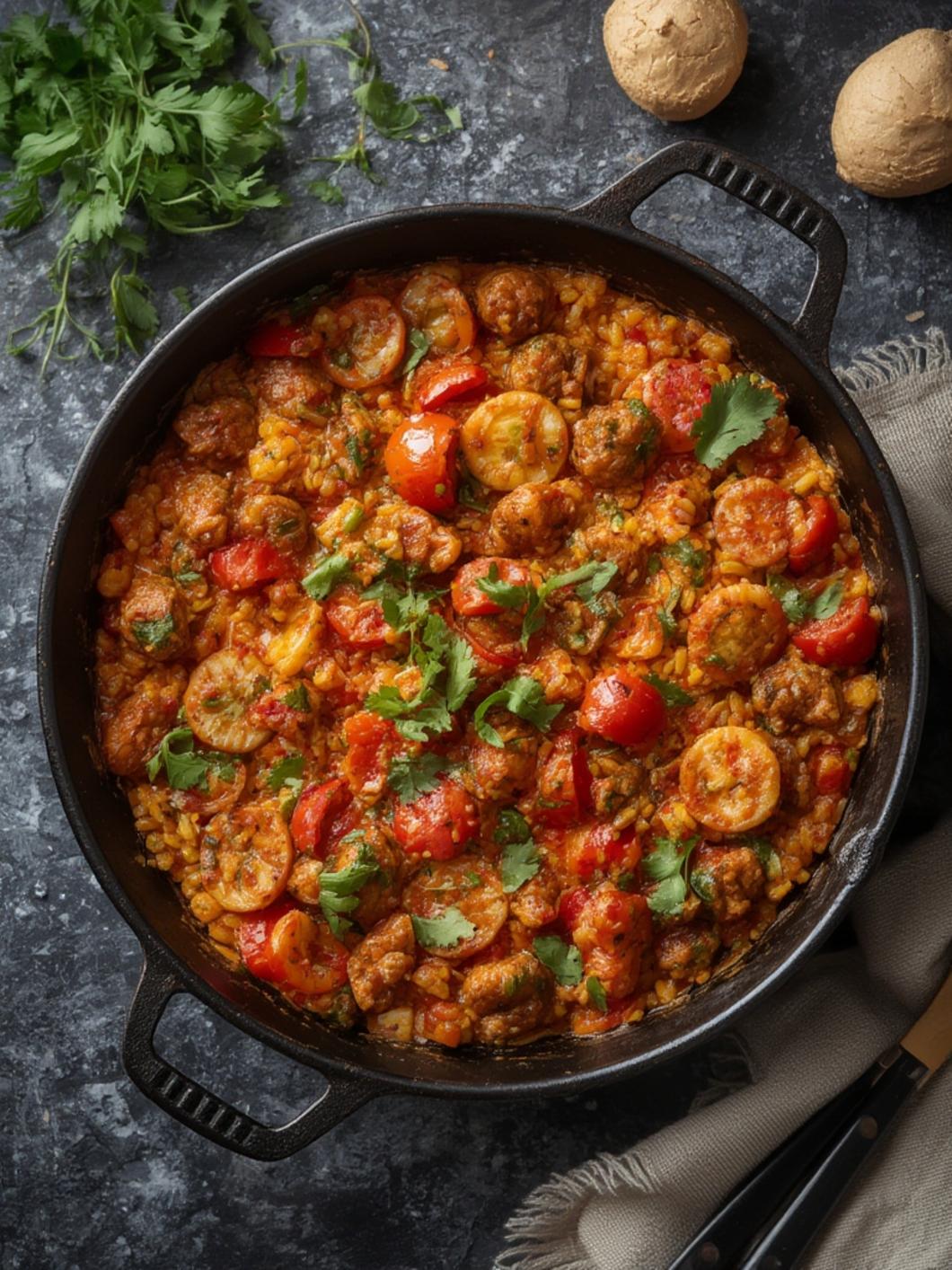
4. The Grand Pour: Pour in all the hot broth, along with the steeped saffron. Stir once to distribute everything evenly, then do not stir again. This is the secret to achieving the coveted socarrat—the crispy, caramelized rice layer at the bottom. Arrange the seared chicken thighs, shrimp, and mussels (hinge-side down) artfully over the rice.
5. The Simmer: Bring to a lively bubble, then reduce the heat to a steady medium simmer. Cook uncovered for 18-20 minutes. In the last 5 minutes, scatter the peas over the top. If your pan is larger, rotate it occasionally for even cooking.
6. Rest and Crisp: Once the liquid is absorbed and the rice is al dente, increase the heat to high for 45-60 seconds to form the socarrat (listen for a faint crackling sound). Remove from heat, cover loosely with foil, and let it rest for 5-10 minutes. This final step is what elevates a good rice dish into a legendary authentic paella.
Nutritional Benefits & Health Info
This paella recipe is a well-rounded meal. The Bomba rice is a good source of complex carbohydrates for sustained energy. Chicken and seafood provide lean protein, while the olive oil offers heart-healthy monounsaturated fats. The vegetables contribute fiber, vitamins A and C, and antioxidants. Using bone-in chicken adds collagen to the broth, and saffron is renowned for its mood-boosting properties.
Variations, Substitutions & Chef’s Tips
Seafood-Only: For a paella de marisco*, omit the chicken and chorizo, and double up on shrimp, mussels, clams, and squid.
- Vegetarian/Vegan: Use vegetable broth, omit animal proteins, and add artichoke hearts, butter beans, and roasted red peppers.
- Chef’s Tip: If you can’t find Bomba rice, Arborio is an acceptable substitute, but reduce the broth by about ½ cup as it absorbs liquid differently. Never cover the paella while the rice is cooking—steam will make it mushy.
Common Cooking Mistakes to Avoid
1. Stirring After Adding Broth: This releases starch from the rice, creating a risotto-like consistency instead of separate, distinct grains. Stir once, then leave it alone.
2. Using the Wrong Rice: Long-grain rice like Jasmine or Basmati will not absorb flavor the same way and won’t develop the proper texture.
3. Overcooking the Seafood: Adding delicate shrimp and mussels at the beginning will make them rubbery. They steam perfectly in the last 15-20 minutes of cooking.
4. Skipping the Sofrito: Rushing the onion, pepper, and tomato cooking means missing out on the foundational sweetness that balances the dish.
Serving & Storage Suggestions
Serve your paella directly from the pan at the table for maximum drama. Accompany with lemon wedges for squeezing and a simple green salad with a sharp vinaigrette to cut through the richness. Leftovers can be stored in an airtight container in the refrigerator for up to 2 days. Reheat gently in a skillet with a tiny splash of broth to refresh the rice. Freezing is not recommended, as the seafood and rice texture will suffer.
Conclusion
Creating a magnificent paella at home is a culinary adventure that rewards patience with incredible flavor and communal joy. It’s about embracing the process, from building the sofrito to listening for the crackle of the perfect socarrat. We hope this authentic paella guide inspires you to gather your loved ones around a pan full of golden, savory goodness. Don’t forget to share your creation! Tag us on social media or leave a comment below telling us how your paella recipe turned out.
FAQs
Q: Can I make paella without a special paella pan?
A: Yes, a wide, shallow skillet (at least 12-14 inches) is a good substitute. The key is the large surface area for even liquid evaporation.
Q: My rice is still hard after 20 minutes. What do I do?
A: Add a small amount (¼ cup) of hot broth or water around the edges and continue cooking for a few more minutes. The rice may have needed more liquid or a slightly longer simmer.
Q: Is it okay to use ground saffron or turmeric instead?
A: For true flavor and color, real saffron threads are essential. Turmeric will provide color but a completely different flavor profile. Avoid “paella seasoning mixes” that contain artificial coloring.
Q: Can I prepare any components ahead of time?
A: Absolutely. You can make the sofrito base a day in advance and store it in the fridge. You can also clean your seafood and chop vegetables ahead to streamline the cooking process.
Q: What exactly is socarrat and is it necessary?
A: Socarrat is the lightly caramelized, crispy layer of rice at the bottom of the pan. It’s considered a delicacy in Spain and adds a wonderful textural contrast. It’s a hallmark of a well-made paella.